
The First Hour After A House Fire: What To Do And Who To Call
Once the fire department clears the scene, a few immediate steps protect what's left and help your insurance claim.
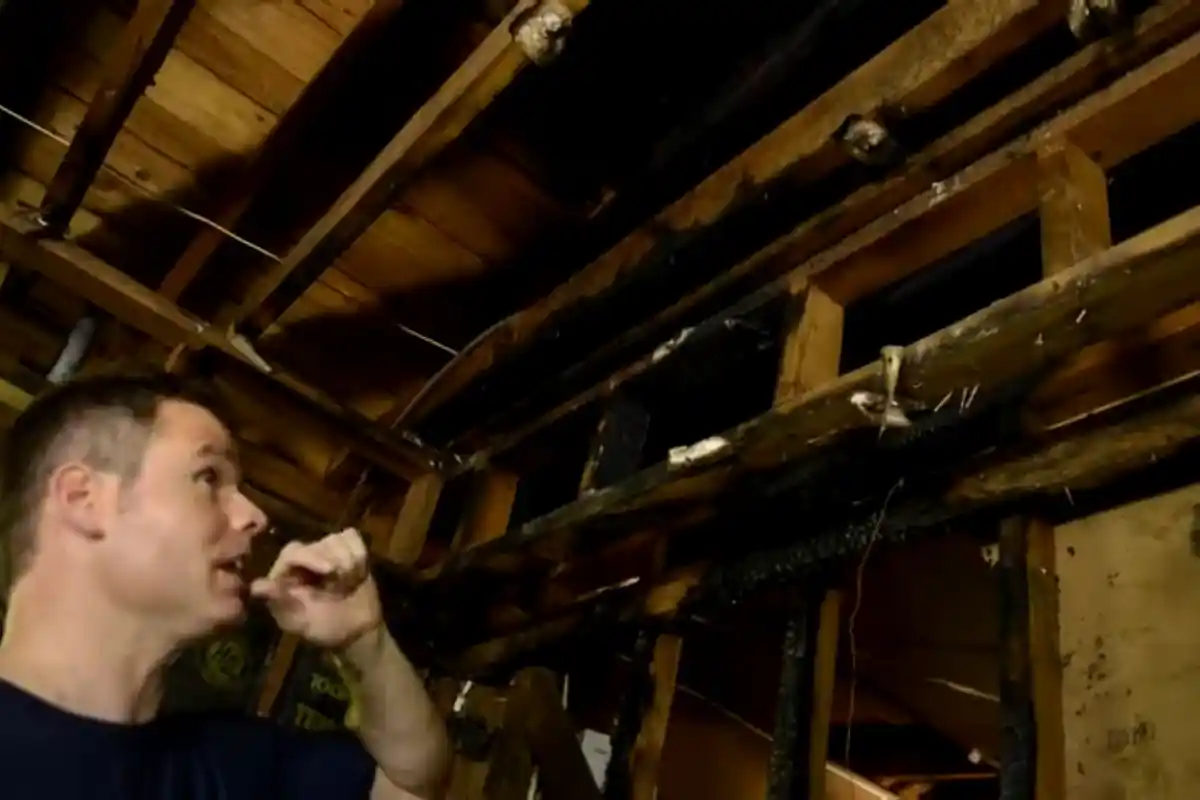
Once firefighters have cleared your home after a fire, the next hour matters more than most homeowners expect. Here's what actually helps, and what to avoid, during that window.
Wait For Official Clearance
Don't re-enter the structure until fire officials confirm it's safe. Structural damage isn't always visible, and a fire that looks contained can still leave weakened framing or hidden hot spots.
Secure The Property
If windows, doors, or roof sections were damaged, the property is exposed to weather and unauthorized entry. Emergency board-up is typically the first physical restoration work done on an active call, before extraction or soot assessment even begins, since an open building overnight can turn a contained fire loss into a much larger water and freeze-damage claim by morning.
Document Before You Move Anything
Photograph the damage as thoroughly as you can before moving or discarding anything, this documentation is what your insurance adjuster will rely on to establish the extent of loss.
Don't Attempt Surface Cleaning Yet
It's tempting to start wiping down soot immediately, but the type of soot, dry versus oily, determines the correct cleaning method, and using the wrong approach can set a stain permanently or smear oily residue deeper into a surface. Let a professional assessment identify the residue type first.
Call Your Insurance Carrier
Fire claims often involve both a structural adjuster and a contents adjuster. Getting your claim started promptly, with photos in hand, helps keep both halves of the process moving.
What To Expect From The Fire Department's Own Report
The responding fire department typically generates an incident report documenting the cause, extent, and department's own assessment of the fire, and this report is often useful supporting documentation for your insurance claim. Requesting a copy from the department (usually available a few days after the incident through the department's records office) gives you an independent, official account of the event that complements your own photos and the restoration company's damage assessment.
Temporary Housing And Additional Living Expenses
If the fire has made your home uninhabitable, most homeowners policies include coverage for additional living expenses, hotel costs, temporary rental, and similar expenses incurred while your home is being restored. Keep receipts for these costs from the very beginning, since this coverage typically requires the same kind of documentation as the physical damage claim, and expenses incurred before you think to start tracking them are harder to recover after the fact.
Salvaging What You Can: A Realistic Timeline
Homeowners are often eager to know immediately what can be saved, but a rushed assessment right after a fire tends to be less accurate than one done once soot type and smoke penetration have been properly evaluated. Items that look ruined on day one, particularly hard surfaces and some fabrics, sometimes clean up better than expected with the right professional process, while items that look salvageable can have smoke odor embedded deeply enough that cleaning isn't practical. Resist the urge to make final keep-or-discard decisions in the first hour, beyond anything posing an immediate safety hazard, and let the fuller assessment in the days following guide those calls instead.
What Happens In The Days That Follow
Once board-up and initial extraction are complete, the following days typically involve a more detailed damage assessment, soot type identification, moisture mapping for any firefighting water, and a written scope of work covering both mitigation and eventual repair. This is also typically when contents assessment begins in earnest, sorting salvageable belongings from total losses, a process that takes time to do properly and shouldn't be rushed in the interest of a faster claim, since items assessed too quickly are sometimes miscategorized in either direction.
Supporting Family Members Through The Process
A house fire is disruptive well beyond the physical damage itself, displacement, disrupted routines, and the emotional weight of the event all affect a household alongside the practical restoration timeline. While this isn't something a restoration company can address directly, being realistic about the overall timeline, typically weeks for a moderate fire, longer for a more severe one, helps set expectations early rather than letting uncertainty compound the stress of the situation. Communicating clearly and regularly about progress and next steps is something we prioritize specifically because we understand how disorienting this period can be for a family.
Getting Back Into A Normal Routine
Once mitigation is complete and repair work is underway, many households find it easier to manage the disruption by focusing on what's actually needed day to day rather than the full scope of remaining work, coordinating with your restoration company on realistic milestones (when specific rooms will be usable again, for instance) rather than fixating on a single final completion date that may shift as the work progresses.
Call A Restoration Crew
Board-up, extraction of any firefighting water, and a full assessment of soot type and smoke spread should happen as soon as possible after the fire department clears the scene. Our fire damage restoration team is available 24/7 for exactly this kind of call.
Call Westbury Restoration Pros at (516) 283-1188.