
Fire Damage Restoration In Westbury, NY
Smoke, soot, and structural fire damage cleanup for homes and businesses in the Village of Westbury and surrounding Nassau County. Documented assessment, direct insurance coordination, dispatch answered around the clock.
Fire Damage Right Now?
Every hour a structure sits with active soot and smoke residue, acid byproducts etch deeper into surfaces and odor sets further into porous materials.
☎ Call (516) 283-1188Fire Damage Is Different From Water Damage
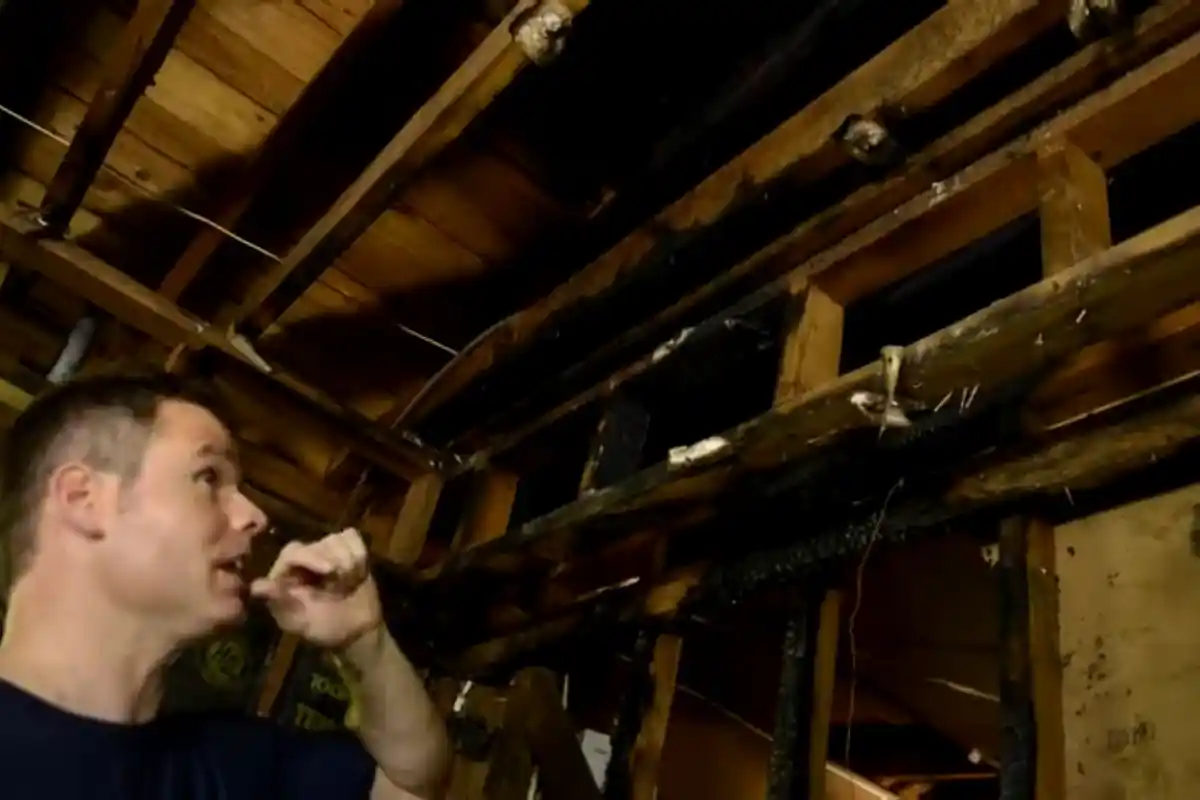
Fire damage restoration covers more than the burned area itself. A residential fire in an older Westbury home, and much of the village's housing stock predates modern building codes, typically leaves three overlapping problems: structural charring at the point of origin, soot and smoke residue that migrates through the HVAC system into rooms nowhere near the fire, and firefighting water that soaks framing, insulation, and flooring during suppression. Treating only the visible burn and skipping the smoke and water components is the most common reason a fire-damaged property ends up with lingering odor or hidden mold months later.
Soot itself isn't a single substance. Dry soot from a fast-burning wood or paper fire wipes away relatively easily. Wet or oily soot from a smoldering fire involving synthetics, foam furniture, or plastics is acidic, sticky, and corrosive. It etches metal, discolors grout, and yellows painted surfaces within days if it isn't neutralized quickly. Our crews assess which kind of residue is present before choosing a cleaning method, because the wrong cleaner on the wrong soot type can set a stain permanently.
Puffback: a specific and common Long Island fire-damage call
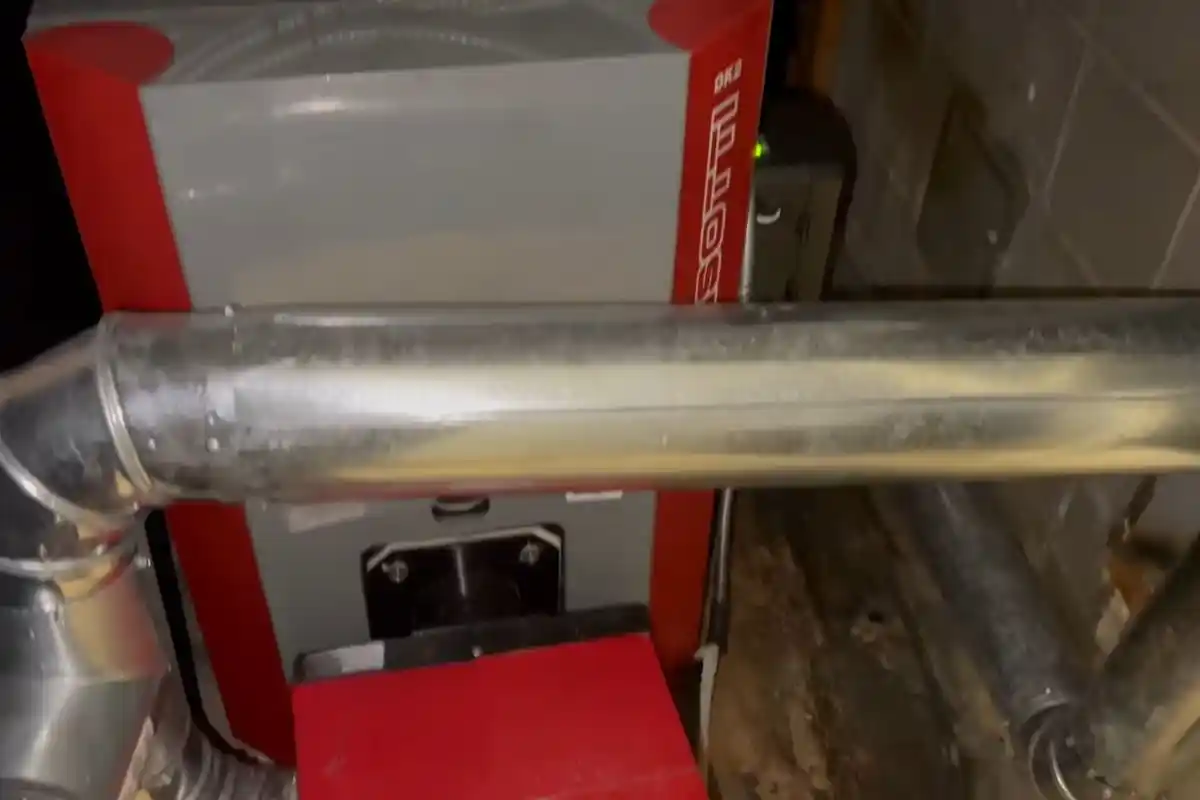
One fire-damage scenario shows up constantly in this region and gets its own dedicated service for a reason: a puffback, caused by a malfunctioning oil-fired furnace or boiler backfiring and blasting a fine, oily black soot through ductwork into every room the HVAC system reaches. Many older Westbury homes still run oil heat, and a puffback can coat an entire house in a greasy soot film without a single flame ever leaving the furnace room. See our puffback cleanup page for the specifics.
What determines the cost of a fire damage job
Three factors drive most of the variation in a fire damage quote: how far the fire traveled structurally before it was extinguished, how much of the residue is oily/acidic soot versus dry soot, and how much firefighting water soaked into framing and flooring. A contained kitchen fire with dry soot and minimal water intrusion is a very different scope than a fire that traveled into a wall cavity or attic, which usually means opening up drywall to check for hidden charring and moisture before any cosmetic repair starts. We itemize each of these separately in the written assessment so you can see exactly what's driving the number, rather than a single lump-sum estimate.
What a typical timeline looks like
Board-up and water extraction happen on the first visit, usually within the hour on an active call. Soot and odor mitigation typically runs several days depending on square footage and residue type, and structural repair (drywall, flooring, paint) is scheduled once the space has fully dried and passed a moisture check. Rushing structural repair before drying is complete is one of the most common causes of a fire-damaged property developing mold weeks later, so we don't close out mitigation until moisture readings are back in a safe range.
What We Handle
How We Handle Structural Charring And Hidden Damage
Visible char at the point of origin is only part of the structural picture. Heat travels through framing faster than most homeowners expect, and a fire that looks contained to one wall can weaken the structural integrity of studs, joists, or subfloor several feet beyond the visible burn line. Before any cosmetic repair begins, we check load-bearing framing near the fire's path for heat damage that isn't visible from the surface, since drywalling over a compromised stud creates a problem that resurfaces later as sagging or cracking.
Commercial fire damage adds another layer: many Westbury-area commercial spaces share structural elements or HVAC returns with neighboring units, so smoke and heat damage assessment on a commercial fire damage restoration job often extends into adjoining tenant spaces even when the fire itself didn't cross the wall.
Securing The Property Immediately After A Fire
A fire that breaks a window, damages a roof section, or compromises an exterior door leaves a property exposed to weather and to unauthorized entry the moment the fire department clears the scene. Emergency board-up is typically the first physical work we do on an active call, before extraction or soot assessment begins, because an open building overnight in a Nassau County winter can turn a contained fire loss into a much larger water and freeze-damage claim by morning. This step is included as part of the initial dispatch response, not billed as a separate emergency service call.
Why Older Westbury Homes Need Extra Attention
A meaningful share of Westbury's housing stock predates the mid-century building codes used elsewhere in Nassau County, and older construction changes how a fire behaves and how it needs to be remediated. Balloon-frame construction common in pre-war homes can let fire and heat travel vertically through wall cavities faster than modern platform framing does, sometimes reaching the attic before the visible fire on a lower floor looks severe. We check attic space as a matter of course on any structural fire call in this village for exactly that reason, even when the reported damage was contained to one room.
Fireplace And Chimney-Related Fire Risk In Older Homes
Older Westbury homes with original masonry chimneys carry a specific fire risk profile that newer construction with metal flue systems doesn't share to the same degree. Decades of use without a chimney liner inspection can allow mortar joints to deteriorate, creating gaps that let heat and sparks reach combustible framing hidden behind the chimney chase. A chimney fire can smolder within these hidden gaps for some time before becoming visible, which is why we treat any reported chimney-related fire, even one that looked minor and self-extinguished, as worth a full structural check rather than assuming the damage stayed contained to the firebox itself.
Why Electrical Fires Get A Different Kind Of Assessment
A fire that originates in wiring, an outlet, or an electrical panel carries a specific complication: the ignition source itself may still be live or improperly de-energized when a restoration crew arrives, which is why we confirm the property has been cleared by the fire department and, where needed, by a licensed electrician before beginning any hands-on assessment. Older homes with knob-and-tube or early aluminum wiring, still found in some of Westbury's oldest housing stock, carry elevated electrical fire risk compared to modern wiring, and any fire with an electrical origin in a home with this kind of legacy wiring often prompts a broader electrical safety conversation alongside the fire damage restoration itself, since the specific wiring segment that failed may not be an isolated issue within the home's larger electrical system.
When Repair Makes Sense And When It Doesn't
Most fire damage restoration work involves repairing and restoring existing structure, but severe cases sometimes cross a threshold where rebuilding a section is more practical than attempting to salvage and repair heavily compromised framing or finishes. This determination depends on structural engineering assessment for anything involving load-bearing elements, not a simple visual judgment call, and we coordinate with a structural engineer on any case where fire damage may have compromised a home's structural integrity beyond what standard repair techniques can safely address. Getting this determination right matters both for safety and for accurate insurance claim scoping, since a repair-versus-rebuild decision significantly affects total project cost and timeline.
From First Call To Restored
Call Dispatch
Describe the damage, any hour of the day.
Assessment
On-site inspection identifying soot type and water intrusion.
Mitigation
Board-up, water extraction, and soot containment begin immediately.
Restoration
Cleaning, odor treatment, and structural repair back to pre-fire condition.
Why Smoke Odor Comes Back After A DIY Cleaning
Smoke odor is caused by microscopic particles that work their way into porous materials — drywall, insulation, carpet padding, and even wood framing — not just a surface smell that wipes off. Surface cleaning products mask the smell temporarily; the odor returns, often within days, once humidity or heat reactivates the particles trapped below the surface. Genuine odor removal requires sealing or removing the porous material the particles are embedded in, combined with thermal fogging or ozone treatment in unoccupied spaces, which is why we treat odor as its own line item rather than an automatic byproduct of surface cleaning. See fire and smoke odor removal for the full process.
Contents are handled separately from the structure itself. Clothing, upholstered furniture, and personal items that survived the fire but absorbed smoke odor often go through an off-site ultrasonic cleaning or ozone chamber process rather than an in-place wipe-down, since embedded odor in fabric responds poorly to surface treatment. We coordinate this contents scope alongside the structural work so both are documented together for your claim.
We Work With Your Adjuster
Direct Insurance Coordination
Fire claims typically involve both a structural adjuster and a contents adjuster. We document both scopes separately with photos and moisture/soot readings so your claim isn't held up waiting on mismatched paperwork. Where a puffback or smoldering fire is the cause, we also note the ignition source and equipment condition, since carriers frequently ask for this detail when a furnace or boiler malfunction is involved. Emergency board-up performed on the initial call is documented and included in the claim scope as well.
Typical Cost Ranges
Ranges are typical starting points and vary by scope. Every job gets a written, itemized assessment before work begins.
Fire Damage FAQ
Do you handle both the fire damage and the water used to put it out?
Yes. Firefighting water is part of the same scope. We extract and dry affected framing, flooring, and insulation as part of the fire damage job, not as a separate call.
What's a puffback and is it really that common?
A puffback is a soot explosion from a malfunctioning oil furnace or boiler that coats ductwork and living spaces in fine, oily black residue. It's a frequent call in older Nassau County homes still running oil heat.
Will surface cleaning get rid of smoke odor?
Usually not for long. Smoke particles embed in porous materials below the surface, so surface cleaning masks the smell temporarily until it returns. Lasting odor removal typically requires sealing, removing, or thermally treating the affected material.
Do you work directly with my insurance company on a fire claim?
Yes. Fire claims often involve both a structural adjuster and a contents adjuster, and we document both scopes separately to keep your claim moving.
How long does a fire damage restoration job usually take?
Board-up and extraction happen the same day. Soot and odor mitigation typically runs several days depending on square footage, and structural repair is scheduled only after the space has fully dried and passed a moisture check, since rushing this step is a common cause of mold developing later.
Are my belongings handled separately from the structure?
Often, yes. Fabric items and upholstered furniture that absorbed smoke odor typically need off-site ultrasonic cleaning or ozone treatment rather than an in-place wipe-down, and we coordinate this alongside the structural scope for your claim.
Active Fire Damage Right Now?
Call now, a restoration crew can be dispatched to Westbury within the hour.
☎ Call (516) 283-1188