
Mold Remediation In Westbury, NY
Inspection, containment, and removal for homes and businesses in the Village of Westbury and surrounding Nassau County. Documented process, insurance coordination, dispatch answered around the clock.
Found Mold?
Get a same-day evaluation before it spreads further into wall cavities or HVAC ductwork.
☎ Call (516) 283-1188Leak-Triggered Mold Vs. Condensation Mold
Not all mold in a Westbury home has the same cause, and the cause changes what actually fixes the problem. Leak-triggered mold follows a water event, a burst pipe, a roof leak, or a slow drip behind a wall that went unnoticed, and it typically shows up as a concentrated patch near the source. Condensation-triggered mold is different: it forms where warm, humid air meets a cold surface, commonly on rim joists, uninsulated pipes, poorly ventilated bathrooms, and exterior walls during Westbury's humid summers and cold winters. Treating a condensation problem like a leak (chasing a water source that isn't there) wastes time, and treating a leak like a condensation problem (running a dehumidifier without ever finding or fixing the actual water intrusion) means the mold comes right back.
Our inspection process identifies which category you're dealing with before any remediation plan is written, because the fix is genuinely different: a leak needs the water source repaired first and the remediation scoped around the actual wet area, while a condensation problem needs ventilation, insulation, or humidity control addressed alongside the cleanup or the same colony reappears within weeks.
Where mold hides in low-airflow spots
Mold doesn't need much to establish itself, just consistent moisture and still air. The spots we find it most often in Westbury homes are closets built against exterior walls, behind furniture pushed flush to a wall, under bathroom vanities, and in attics with inadequate soffit or ridge ventilation. These areas rarely get visually checked during a routine cleaning, which is part of why a colony can grow for months before anyone notices a smell.
What a mold inspection actually checks
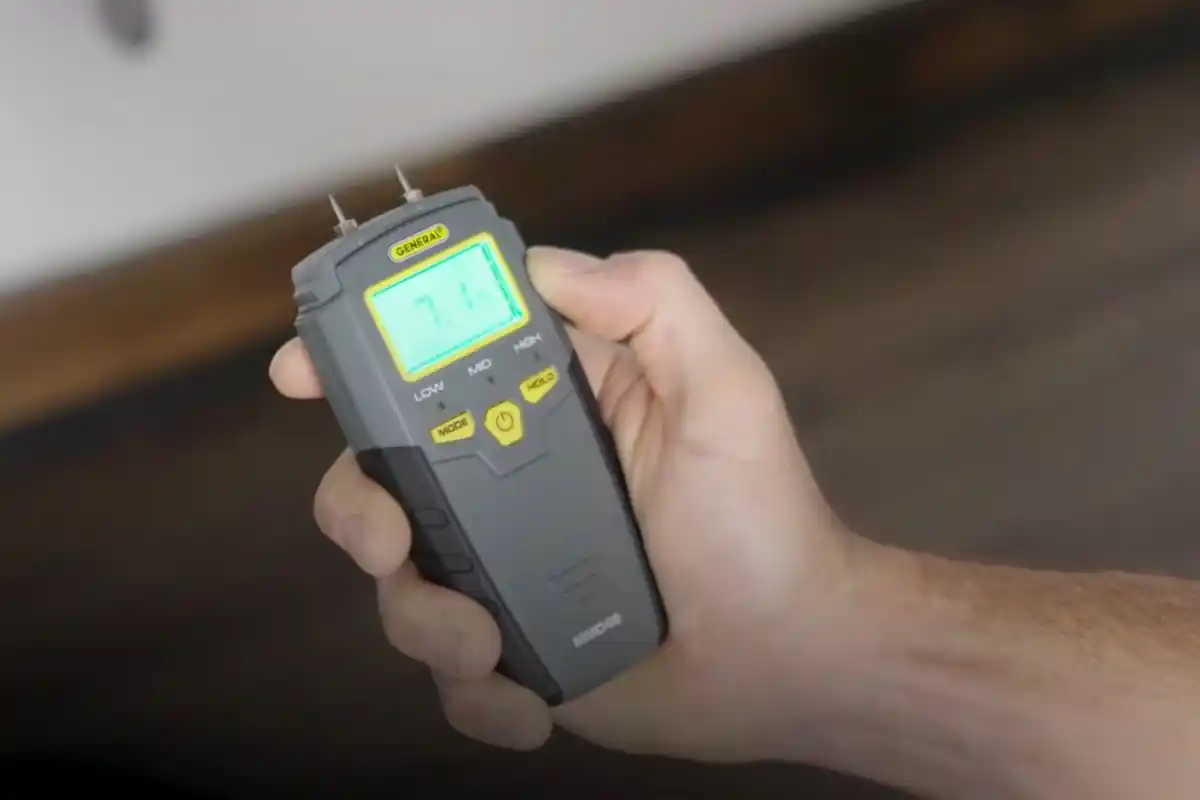
A proper inspection goes beyond a visual look at visible growth. We check humidity levels room by room, use a moisture meter on suspect walls and framing, and inspect attic ventilation and bathroom exhaust fan function, since a fan that vents into the attic instead of outside is a surprisingly common cause of hidden attic mold in older homes. Where growth is visible but the source isn't obvious, air sampling can confirm whether spore counts in a room are elevated relative to outdoor baseline, which is often the deciding factor for how aggressive the remediation scope needs to be.
What remediation actually involves
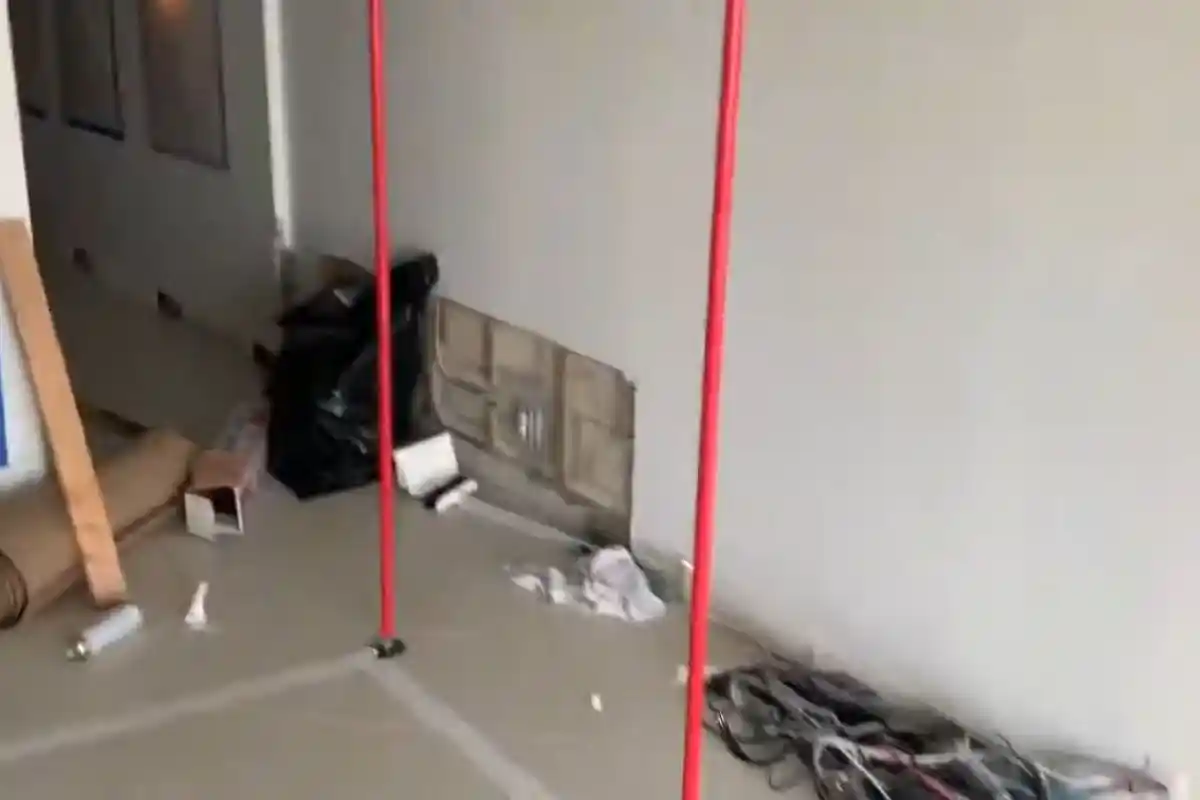
Remediation isn't just spraying a surface. Affected porous material (drywall, insulation, sometimes subfloor) that can't be fully cleaned gets removed and bagged for disposal under sealed containment, using negative air pressure and HEPA filtration to keep spores from spreading to unaffected rooms during the work. Non-porous surfaces like framing lumber and concrete are treated with an antimicrobial after cleaning. The area is then sealed and, where requested, cleared with a post-remediation verification check before we call the job finished.
What We Handle
Reducing Future Mold Risk After Remediation
Remediation removes what's already there, but the moisture and airflow conditions that let it grow in the first place usually need addressing too, or the same spot grows back within a season. For condensation-driven cases, that often means adding insulation to a rim joist or exposed pipe, improving bathroom exhaust fan venting so it actually reaches outside air rather than dead-ending in the attic, or running a dehumidifier in a chronically damp basement. For leak-driven cases, it means confirming the actual water source has been repaired, not just the visible mold. We include these recommendations in the written report from every job, whether or not the repair work itself falls under our scope.
Why Long Island Summers Make Condensation Mold Worse
Nassau County's summer humidity runs consistently high, and that humidity is a direct input into condensation-driven mold even in homes with no leak history at all. Warm, moisture-laden outside air meeting a cooler surface inside, an uninsulated cold-water pipe, a poorly insulated rim joist, a basement wall below grade, produces the same surface condensation a cold glass of water does on a humid day, just continuously and out of sight. Basements are especially prone to this in Westbury's older homes, many of which were built before basement insulation and vapor barriers were standard practice, which is part of why basement mold is one of our most frequent calls independent of any plumbing leak.
What Actually Determines A Mold Job's Price
Three variables explain most of the range in a mold remediation quote: the square footage of visible and suspected hidden growth, whether porous material (drywall, insulation, subfloor) needs removal versus surface cleaning of non-porous material, and whether containment needs to isolate the work area from an occupied living space or business during the job. A small bathroom ceiling patch cleaned in place costs far less than an attic-wide removal requiring full insulation replacement, which is why we always inspect before quoting rather than pricing by square footage alone.
What Air Sampling Adds That A Visual Inspection Doesn't
A visual inspection confirms what's growing where it's visible, but mold spores travel through air well beyond the boundaries of any visible colony, which is why a musty smell can persist in a room with no obvious growth anywhere in sight. Air sampling captures spore concentration data that a visual check alone can't provide, useful both for confirming a suspected hidden problem and for establishing a documented baseline before remediation begins. Comparing indoor readings against an outdoor control sample taken the same day is what actually tells us whether indoor levels are elevated, since mold spores exist naturally in outdoor air everywhere, a raw indoor spore count without that comparison point doesn't mean much on its own.
How A Home's HVAC System Can Spread Or Prevent Mold
A forced-air HVAC system moves air, and whatever that air is carrying, through every room it serves, which means it can spread mold spores from one area to the rest of a home if the system isn't functioning correctly. This works both ways: a well-maintained system with clean filters and correctly sized humidity control actively helps prevent condensation-driven mold, while a neglected system with a dirty coil or, worse, existing microbial growth inside the ductwork itself, actively contributes to spreading spores throughout the house every time it runs. We check HVAC condition and, where warranted, recommend duct inspection as part of a thorough mold assessment, particularly in cases where growth patterns suggest spread through multiple rooms rather than a single, localized source.
What We Can And Can't Tell You About Health Effects
We're not medical professionals, and we don't make specific health claims about any individual's exposure or symptoms. What we can offer is the practical, structural side of the equation: identifying and removing mold growth, addressing the underlying moisture cause, and providing documentation of what was found and remediated. If you or a household member have specific health concerns related to mold exposure, that's a conversation for a physician, ideally one who can review our documentation of what was actually present and what was done to address it, giving them concrete information rather than a vague secondhand description of the situation.
From Inspection To Clearance
Call Dispatch
Describe what you're seeing or smelling, any hour of the day.
Inspection
Identify leak-vs-condensation root cause and containment area.
Containment & Removal
Sealed containment, air scrubbing, and removal of affected material.
Clearance
Post-remediation verification the affected area is clear.
What's Different About Commercial Mold Jobs
A residential mold job is typically scoped around one or two affected rooms. A commercial property, a retail space, office, or multi-unit building, often involves shared HVAC systems that can spread spores between units, tenant notification requirements, and a need to keep part of the space operational during remediation. Our commercial mold remediation team scopes these jobs with containment barriers that isolate work areas without shutting down an entire building.
Multi-tenant buildings also raise a documentation question that single-family homes don't: which unit's HVAC return introduced the moisture, and whether neighboring units need testing even without visible growth. We check shared duct runs and common-wall cavities as part of a commercial scope specifically because spores travel through a shared system in a way they can't in a standalone house.
Typical Cost Ranges
Ranges are typical starting points and vary by scope. Every job gets a written, itemized assessment before work begins.
We Work With Your Adjuster
Direct Insurance Coordination
Mold coverage varies by policy depending on whether it's tied to a covered water event. We document the root cause clearly so your carrier can determine coverage without delay.
Mold Remediation FAQ
Is my mold from a leak or from condensation?
It depends on the pattern. A concentrated patch near a wall, ceiling, or fixture usually points to a leak. Mold spread across a rim joist, exterior wall, or bathroom ceiling with no obvious water source usually points to condensation. Our inspection identifies which one you have before we write a remediation plan.
What's different about mold remediation for a residential vs. commercial property?
Commercial jobs often involve shared HVAC systems that can spread spores between units, tenant notification, and a need to keep part of the space operational, so containment is scoped differently than a single-room residential job.
Do you handle water damage and mold together?
Yes. If a water damage job has sat long enough for mold to develop, we can scope both as one job instead of sending you to a second company.
Do you offer mold testing before remediation?
Yes, our mold testing and inspection service identifies the affected area and root cause before any remediation work begins.
How do you know remediation actually worked?
Where requested, we run a post-remediation verification check after containment is removed, confirming the area is clear before we call the job finished.
Can mold spread through a building's HVAC system?
Yes, in shared-system commercial buildings mold spores can travel through common duct runs between units, which is why commercial mold jobs often include checking neighboring spaces even without visible growth there.
Found Mold In Your Home Or Business?
Call now for a same-day evaluation from a Westbury-area crew.
☎ Call (516) 283-1188