
Galvanized Pipes In Older Homes: What Westbury Homeowners Should Know
Many pre-war Westbury homes still have original galvanized plumbing, and it comes with predictable, age-related failure patterns.
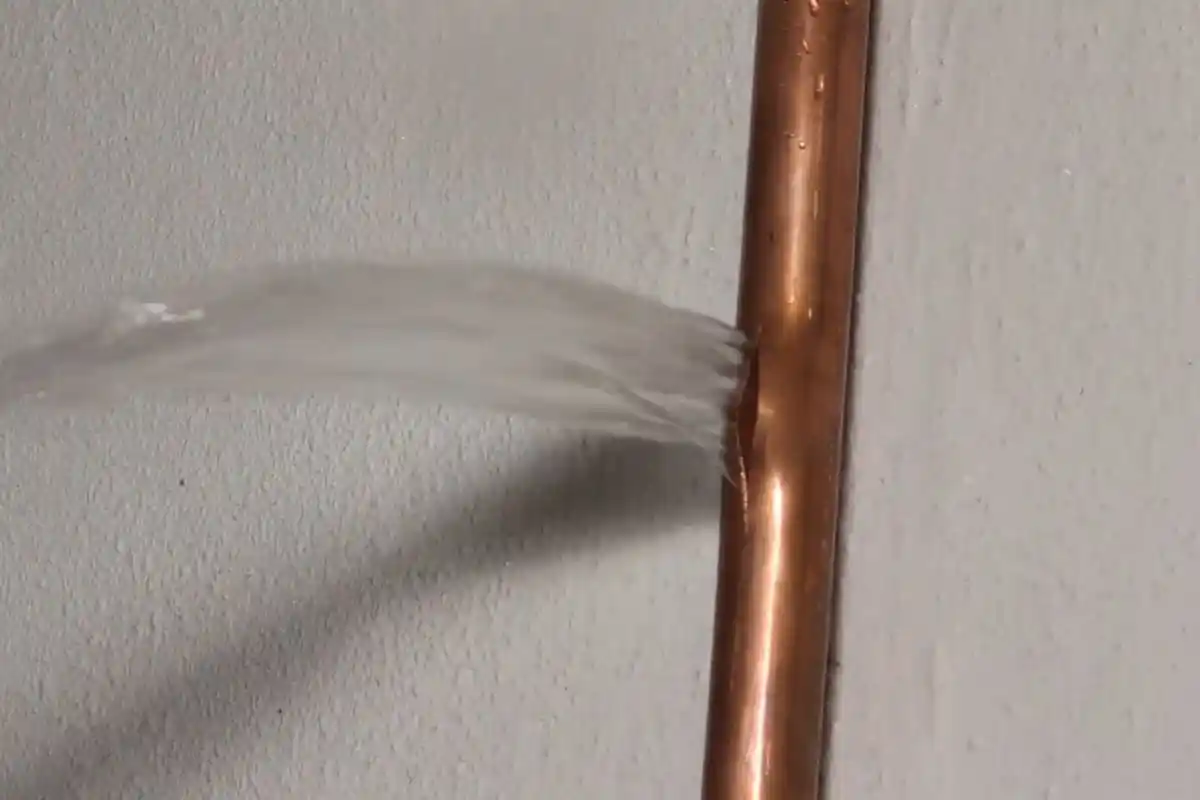
If your Westbury home was built before the mid-20th century, there's a real chance at least some of its original plumbing is galvanized steel rather than copper or modern plastic piping. Understanding how this material ages can help you spot problems before they become emergencies.
How Galvanized Pipe Fails
Galvanized pipe has a zinc coating meant to prevent rust, but that coating degrades over decades, and once it's gone, the steel underneath begins to corrode from the inside out. This corrosion narrows the pipe's interior diameter over time, which shows up first as reduced water pressure, and eventually as pinhole leaks or full failures as the corroded metal weakens.
Warning Signs To Watch For
A few signs suggest aging galvanized plumbing may be a concern: noticeably reduced water pressure that's developed gradually over years, rust-colored water especially after the plumbing has sat unused for a while, and visible corrosion or rust staining on exposed pipe sections in a basement or crawl space.
Why This Matters For Water Damage Risk
A pinhole leak from corroded galvanized pipe often develops slowly inside a wall cavity, meaning water damage can be underway for a while before it becomes visible as a stain or a soft spot. By the time it's noticed, mold growth may already be established behind the wall.
Why Galvanized Pipe Was Ever Used In The First Place
Galvanized steel piping was the standard residential plumbing material through much of the early-to-mid 20th century, before copper became widely affordable and PEX and other modern materials existed at all. It was durable, relatively inexpensive for its era, and represented a genuine improvement over the lead piping it often replaced. The zinc coating that gives galvanized pipe its name was intended to provide decades of corrosion resistance, and for many installations it did exactly that for a long service life, the problem homeowners face today isn't that the material failed prematurely, it's that many of these installations have now simply outlived their originally expected service life by a significant margin.
Typical Lifespan And Why It Varies
Galvanized pipe is generally expected to last 40 to 70 years before corrosion becomes a significant concern, though actual lifespan varies considerably based on water chemistry, water pressure, and how much the system has been used. Homes with harder water or more acidic water chemistry tend to see faster zinc coating degradation and earlier corrosion onset. Given that a meaningful share of Westbury's housing stock was built in the early-to-mid 20th century, many homes with original galvanized plumbing are now well within or past the upper end of this expected lifespan range, which is part of why pinhole leaks and pressure loss are common enough calls in this specific market.
Partial Repiping Versus Full Replacement
When galvanized pipe failure is discovered, homeowners sometimes ask whether just the failed section can be replaced rather than repiping the whole system. This is possible, but it comes with a real tradeoff: connecting new copper or PEX to remaining old galvanized pipe can accelerate corrosion at the connection point through a process called galvanic corrosion, where two dissimilar metals in contact with water and each other corrode faster than either would alone. A plumber assessing a galvanized failure can advise whether a full repipe or a properly isolated partial repair makes more sense for your specific situation.
How To Find Out What Kind Of Pipe You Actually Have
If you're not sure whether your home has galvanized plumbing, a few checks can help: galvanized pipe is magnetic (a magnet will stick to it, unlike copper or PEX), it typically has a dull gray color rather than copper's distinctive reddish-brown, and threaded joint connections are common on galvanized systems rather than the soldered joints typical of copper. Checking exposed sections in a basement or crawl space, where visible, is usually the easiest way to get a definitive answer without needing to open up any finished walls.
The Real Cost Of Repiping A Home
Full home repiping is a significant expense, typically running into the thousands of dollars depending on home size and accessibility, which is exactly why many homeowners choose to monitor galvanized plumbing for warning signs rather than proactively replacing it before any failure occurs. This is a reasonable approach provided you're actually watching for the warning signs discussed above and treat a first failure as a signal to seriously evaluate the rest of the system's condition, rather than simply patching the immediate leak and continuing to wait.
What To Do
If you know or suspect your home still has original galvanized plumbing, a plumber can assess its condition and advise on repiping timelines. In the meantime, keep an eye on the warning signs above, and if you do discover water damage traced to failing galvanized pipe, our team handles both the immediate extraction and drying and the assessment of how far the damage has spread.
Call Westbury Restoration Pros at (516) 283-1188 for a 24/7 assessment.