
Roosevelt Raceway: Westbury's Harness-Racing Legacy
From 1940 to 1988, Westbury was home to a major harness-racing track that once hosted a Crosby, Stills & Nash concert.
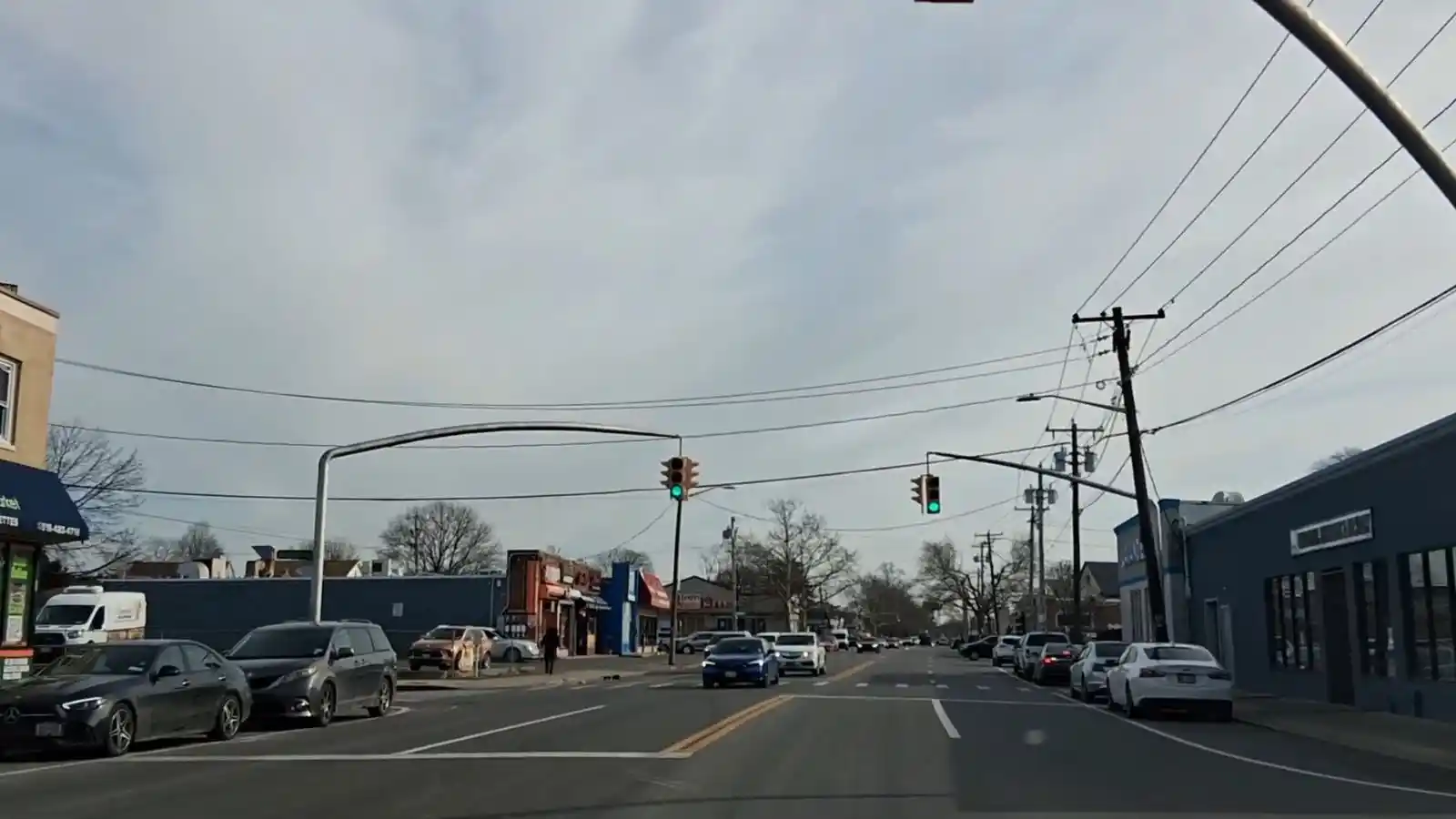
Long before it became the primarily residential village it is today, Westbury was home to Roosevelt Raceway, a major harness-racing track that operated from 1940 to 1988. The raceway hosted the Vanderbilt Cup and, notably, a Crosby, Stills & Nash concert on September 8, 1974.
For nearly five decades, Roosevelt Raceway was a significant draw to the area, bringing visitors and activity to a village that has since settled into a quieter residential character. Its closure in 1988 marked the end of an era for a piece of land that had shaped the local identity for two generations.
What Remains Today
The raceway site itself has been redeveloped over the decades since its closure, but the history remains part of what makes Westbury a village with real, documented character rather than a generic suburban address. Longtime residents and local historical resources still reference the raceway as a defining chapter of the area's 20th-century story.
Harness Racing's Place In Long Island's Sporting History
Roosevelt Raceway was part of a broader mid-20th-century boom in harness racing across the New York metropolitan area, a period when trotting and pacing races drew crowds comparable to thoroughbred racing at nearby tracks. The sport's popularity through this era reflected a specific moment in American recreational culture, one that had largely faded by the time the raceway closed in 1988, as entertainment options diversified and harness racing's broader audience declined nationally, not just in this specific location. Understanding that broader context helps explain why a facility that once drew major concerts and prestigious races eventually closed rather than continuing indefinitely.
Older Development, Older Infrastructure
Areas that developed around major mid-century attractions like Roosevelt Raceway often built out housing and infrastructure quickly to support the activity, which is part of why so much of Westbury's residential stock dates to this same era. That same infrastructure, now 70 to 80 years old in many cases, is exactly what drives the stormwater and plumbing-age issues we see on restoration calls today.
The Vanderbilt Cup Connection
Roosevelt Raceway's most prestigious event, the Vanderbilt Cup, tied the track to a broader Long Island motorsport tradition that predates the raceway itself. The original Vanderbilt Cup races, run on public Long Island roads in the early 1900s, are considered among the first organized auto races in American history, and the Roosevelt Raceway revival of the name decades later linked the harness-racing track to that earlier legacy. This kind of layered local history, one era's landmark repurposing the name and memory of an earlier one, is common throughout this part of Nassau County.
From Racetrack To Residential: What Redevelopment Left Behind
When a large piece of land like the Roosevelt Raceway site gets redeveloped after decades as a single-purpose venue, the surrounding infrastructure, roads, utility lines, drainage systems, rarely gets a full overhaul to match. Instead, new development typically ties into whatever existing infrastructure is already in the ground, extending the service life of systems that were originally sized for a different kind of land use entirely. This pattern, common across mid-century redevelopment throughout Nassau County, is part of why infrastructure age remains such a consistent factor in water damage risk even in areas that look thoroughly modern on the surface today.
Comparing Roosevelt Raceway To Other Long Island Racing Venues
Roosevelt Raceway operated alongside several other Long Island racing venues through the mid-20th century, part of a broader regional racing circuit that included both thoroughbred and harness tracks. Several of these venues shared similar fates, closure and redevelopment as the sport's popularity declined nationally through the latter half of the century, reflecting a pattern seen at former racing sites across the country rather than something unique to this specific location. Understanding Roosevelt Raceway within this broader context helps explain why its closure, while locally significant, was part of a wider industry trend rather than an isolated local event.
Why This History Still Comes Up In Local Conversation
Longtime Nassau County residents still reference Roosevelt Raceway in casual conversation when discussing local history or giving directions using older landmark names, even decades after its closure. This kind of persistent local memory reflects how significant the raceway was to the area's identity during its operating decades, and it's part of the broader historical texture that distinguishes Westbury from a newer, less storied suburban community.
If you live in a home from this era of Westbury's development and you're dealing with water damage, aging plumbing, or drainage issues, we understand the specific patterns that come with this housing stock. Call Westbury Restoration Pros at (516) 283-1188 for a 24/7 assessment.