
Why Older Westbury Homes Are More Prone To Sewage Backups
Village-era sewer infrastructure and cast iron piping make sewage backups a more common issue in older Nassau County homes.
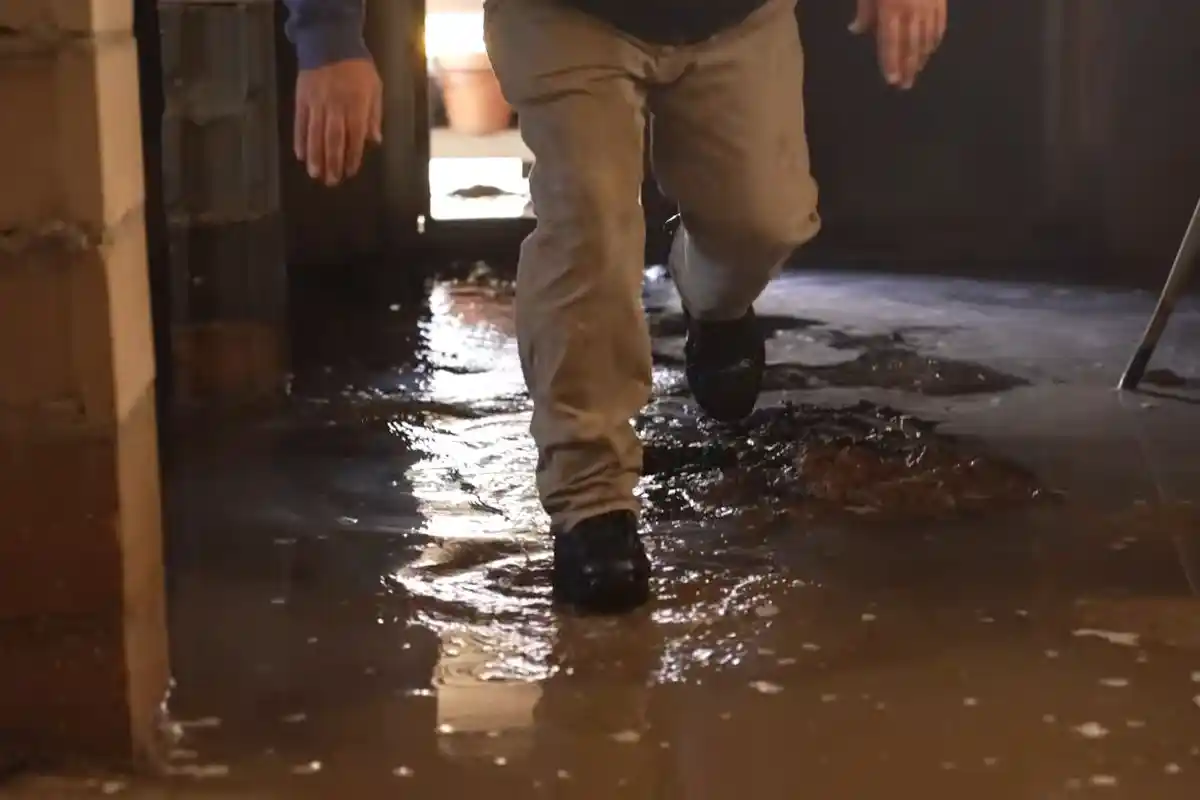
A sewage backup is one of the more disruptive water damage events a homeowner can face, and in Westbury, the age of the village's underground infrastructure plays a direct role in how often this happens.
Aging Infrastructure, Real Consequences
Much of Westbury's sewer infrastructure predates modern PVC piping, which is more resistant to corrosion and root intrusion than the cast iron laterals common in older village construction. Cast iron degrades over decades of exposure to wastewater and soil conditions, and tree roots, drawn to the moisture inside a pipe, can work their way into small cracks and expand them over time until a partial or full blockage forms.
When a blockage forms in the main lateral connecting a home to the municipal sewer line, wastewater has nowhere to go except back up through the path of least resistance, often a basement floor drain or a low fixture like a basement bathroom.
Category 3 Water: A Different Cleanup
Sewage backups are classified as Category 3, grossly contaminated water, and the cleanup protocol reflects that. Crews use full PPE, porous materials that contacted the contaminated water are removed and disposed of rather than cleaned and reused, and remaining surfaces receive an antimicrobial treatment after extraction. This is a meaningfully different process than a clean-water leak from a supply line.
Warning Signs Worth Watching For
Slow-draining fixtures throughout a house, not just one sink or tub, can be an early warning sign of a developing blockage in the main lateral before a full backup occurs. If you notice multiple fixtures draining slowly at the same time, it's worth having the main line inspected before it turns into an emergency.
Why Multiple Slow Drains Point To The Main Line, Not A Single Fixture
A single slow drain, just one sink or tub, usually points to a localized clog in that fixture's own trap or branch line, the kind of thing a plunger or drain snake handles fine. But when several fixtures across the house start draining slowly around the same time, especially lower-level fixtures like a basement floor drain or a ground-floor toilet, that pattern points to a restriction further downstream, in the main lateral that carries wastewater from the whole house to the municipal sewer connection. Every fixture in the house shares that same downstream path, so a partial blockage there affects multiple fixtures simultaneously rather than just one.
What A Sewer Camera Inspection Actually Shows
A camera inspection threads a waterproof camera through the main lateral to visually identify the location and cause of a blockage, root intrusion, a collapsed or offset section of aging cast iron, or a buildup of debris and grease over time. This is meaningfully more precise than guessing based on symptoms alone, and it tells a plumber exactly where to focus repair work rather than digging up an entire lateral run on a hunch. For a home with a documented history of recurring backups, a camera inspection is often worth the cost simply to stop treating each backup as an isolated event and instead address the actual underlying restriction.
Root Intrusion: Why Trees Are Often The Real Culprit
Tree roots are drawn toward the moisture and nutrients inside a sewer line, and they don't need much of an opening to start a problem, a hairline crack in aging cast iron pipe is enough for a root to find its way in. Once inside, roots grow and branch within the pipe, gradually restricting flow and eventually catching enough debris to cause a full blockage. Older, well-established trees near a home's sewer lateral route are a common contributing factor in Westbury specifically, since much of the village's tree canopy has had just as many decades to grow as the underlying sewer infrastructure has had to age.
What Happens During A Professional Sewage Backup Cleanup
The process starts with containment, isolating the affected area to prevent contaminated water from spreading further into the home while crews suit up in appropriate protective equipment. Extraction follows using equipment dedicated to contaminated water, never the same equipment used on clean-water jobs. Any porous material in contact with the backup, carpet, drywall, insulation, gets assessed for removal rather than cleaning, since these materials can't be reliably decontaminated. The final step, antimicrobial treatment of all remaining surfaces, addresses biological contamination that extraction alone doesn't fully resolve.
Preventing A Repeat Backup
Once a backup has occurred and been cleaned up, addressing the underlying cause matters as much as the cleanup itself. A camera inspection identifying root intrusion or a partial blockage gives a plumber the specific information needed to recommend the right fix, whether that's root cutting and a protective lining, or in more severe cases, replacing the affected section of lateral entirely. Skipping this step and simply cleaning up after each backup as it happens means treating the symptom repeatedly rather than the actual underlying problem.
If you're dealing with a sewage backup, don't wait, contaminated water poses real risks the longer it sits. Our sewage backup cleanup team is available 24/7. Call (516) 283-1188.