
Sump Pump Maintenance: A Simple Check That Prevents Basement Flooding
A failed sump pump during a heavy rain event is one of the most preventable causes of basement water damage.
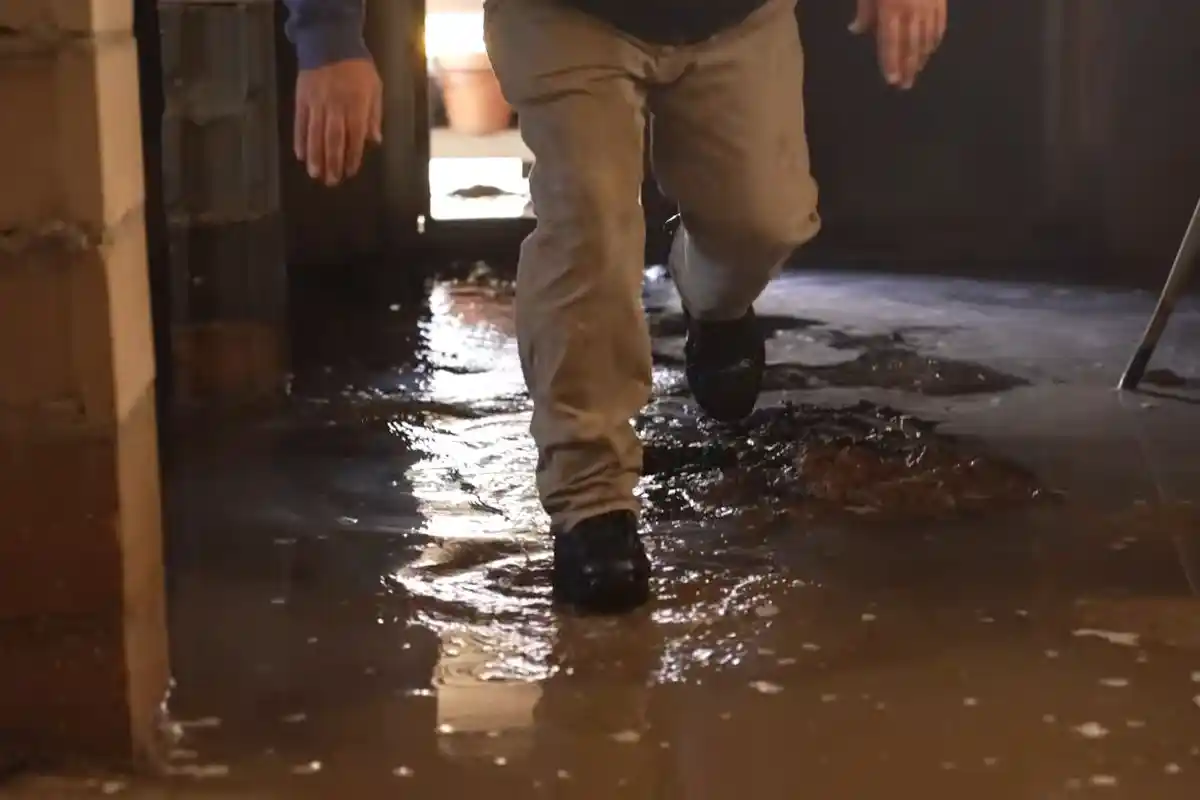
Basement flooding is one of the most common calls we get in Westbury, and a surprising share of those calls trace back to a sump pump that failed at exactly the wrong moment.
Why Sump Pumps Fail
A sump pump can fail for a few common reasons: a power outage during the same storm that's producing the heavy rain in the first place, a pump that's simply reached the end of its mechanical lifespan, a stuck float switch that never triggers the pump to activate, or a pump that's undersized for the amount of water actually entering the pit during a significant rain event.
A Simple Seasonal Check
Testing a sump pump takes only a few minutes. Pour a bucket of water into the sump pit and confirm the pump activates, moves the water out, and shuts off properly. Doing this check once before the rainy season and once before winter catches most failures before they become an emergency.
Battery Backup Is Worth Considering
Since power outages often accompany the exact storms that produce the most stormwater, a battery backup sump pump system provides a meaningful safety net for the specific scenario where a primary pump is most likely to be needed and least likely to have power.
Primary Versus Backup: How The Two Systems Work Together
A battery backup sump pump doesn't replace the primary pump, it activates automatically when the primary fails or when water rises faster than the primary alone can handle, typically wired to a dedicated battery that's kept charged during normal operation. Some systems use a water-powered backup instead, using municipal water pressure to create suction that removes water without any electrical component at all, a useful option specifically for the power-outage scenario where even a charged battery eventually depletes during an extended outage. Choosing between battery and water-powered backup often comes down to how long outages typically last in your area and whether your municipal water pressure remains reliable during the same storms that knock out electrical power.
Sizing: Why One Pump Doesn't Fit Every Basement
Sump pumps are rated by gallons-per-hour capacity, and a pump sized for a smaller water table or a shallower sump pit can simply be overwhelmed during a genuinely heavy rain event even while functioning perfectly. If your basement floods during moderate rain rather than only extreme storms, undersizing, not pump failure, may be the actual root cause, and the fix is a higher-capacity replacement rather than repeated repairs to a pump that was never matched to your property's actual water table in the first place.
How Often To Test, Realistically
Beyond the seasonal bucket test, sump pumps benefit from a quick visual check any time you're in the basement, confirming the pit is clear of debris that could jam the float switch, and listening for the pump cycling normally during and after any heavy rain. A pump that runs constantly without ever fully clearing the pit, or one that never seems to activate despite visibly rising water, both warrant a closer look before the next major storm rather than waiting for the next scheduled seasonal check.
How Long Do Sump Pumps Actually Last?
Most residential sump pumps have an expected service life of 7 to 10 years under normal use, though this varies based on how frequently the pump actually runs and the quality of the original installation. A pump that's approaching or past this age range, even if it's currently working, is a reasonable candidate for proactive replacement rather than waiting for a failure during the next major storm to force the issue. Keeping a rough record of when your current pump was installed, even an approximate date, helps make this a planned decision rather than a reactive one made during an active emergency.
What A High-Water Alarm Adds
A standalone high-water alarm, a battery-powered device placed in or near the sump pit that sounds when water rises above a set level, provides an early warning independent of the pump itself, useful specifically for catching a pump failure before the basement actually floods rather than after. These devices are inexpensive relative to the cost of even a moderate basement flood, and they're a reasonable addition alongside, not instead of, the primary and backup pump systems already discussed.
What To Do If Your Basement Has Already Flooded
If your sump pump has already failed and water is standing in your basement, the priority is extraction and drying before mold has a chance to establish, typically a risk window of 24 to 48 hours. Our basement water removal team responds 24/7 for exactly this kind of call.
Call Westbury Restoration Pros at (516) 283-1188 for fast dispatch to your Westbury-area home.