
Category 1, 2, And 3 Water Damage: What The Difference Means For You
Restoration crews classify water damage into three categories, and the category changes how a job gets handled.
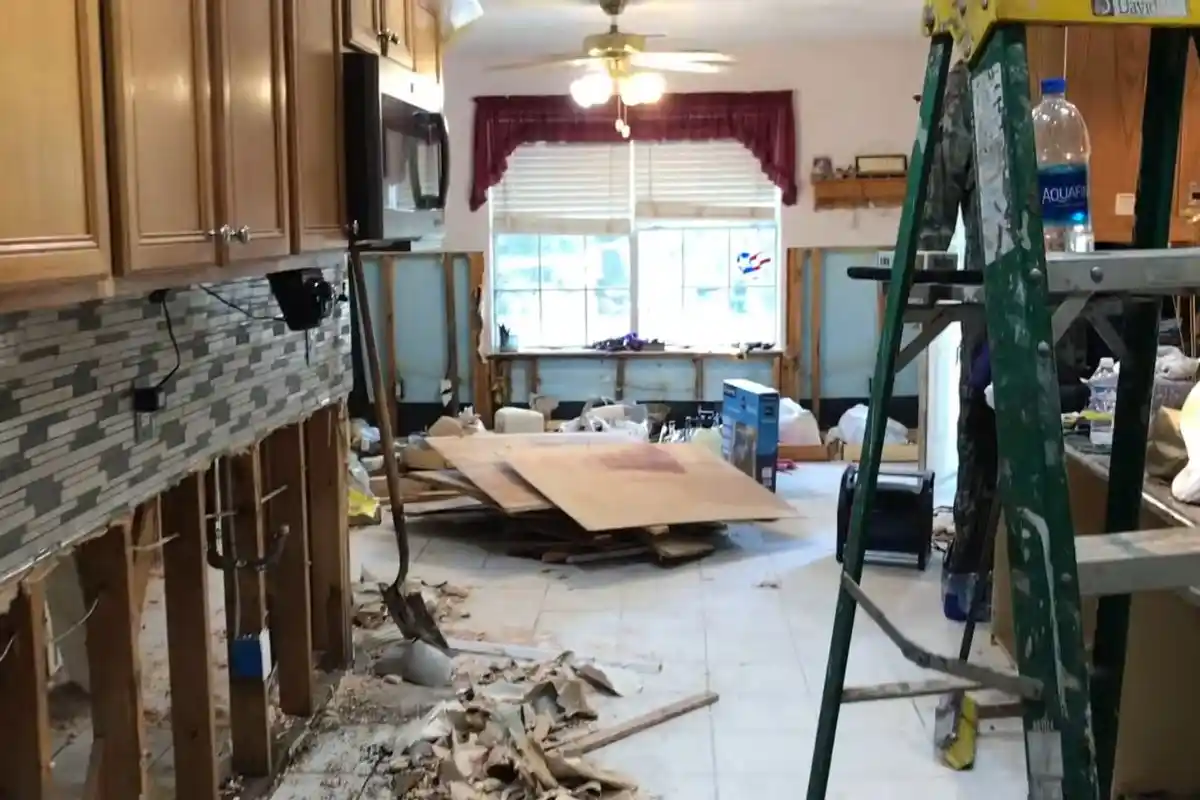
If you've gotten a quote or assessment for water damage and heard terms like "Category 2" or "Category 3," you might be wondering what that actually means for your specific situation. Here's the breakdown.
Category 1: Clean Water
Category 1 water comes from a clean source, a supply line, a burst pipe, or a water heater failure, with no contamination. This is the most common category we see in Westbury, largely due to winter freeze-thaw pipe bursts. Category 1 water can typically be extracted and dried using standard equipment without special disposal handling.
Category 2: Gray Water
Category 2, or "gray water," carries some contamination, though less than sewage. Common sources include washing machine or dishwasher overflow, or clean water that has sat long enough to begin supporting bacterial growth. This category requires more caution than Category 1 but less intensive protocol than Category 3.
Category 3: Grossly Contaminated Water
Category 3 covers sewage backups and any water that's been standing long enough to pick up bacteria from soil or waste lines. This category requires full PPE for crews, disposal of any porous material the water contacted rather than cleaning and reuse, and a more aggressive sanitizing protocol.
Why Timing Compounds Every Category
Regardless of category, time matters. Drywall, carpet padding, and subfloor that stay wet for 24 to 48 hours are already in the window where mold spores can begin colonizing, and by 72 hours untreated moisture typically requires more demolition, not less. A Category 1 leak that sits untreated for several days can end up requiring more extensive work than a Category 3 event addressed within hours.
Can Water Change Categories Over Time?
Yes, and this is one of the more important practical details about the category system. Clean Category 1 water that sits stagnant for more than a day or two can progress to Category 2 as bacteria naturally present in the environment begin to multiply in the standing water. Left even longer, particularly in warm conditions, Category 2 water can progress toward Category 3 territory. This progression is a big part of why fast response matters independent of the original water source, a clean supply-line leak addressed within hours stays a straightforward Category 1 job, while the same leak left for several days can require a more intensive Category 2 or 3 protocol by the time a crew arrives.
How Categories Interact With Insurance Coverage
Category alone doesn't determine coverage, cause does, a sudden, accidental Category 1 pipe burst and a sudden Category 3 sewer backup can both be covered or excluded depending entirely on your specific policy language, not the water category itself. However, category classification does affect the scope and cost of covered remediation work, which is why documenting category clearly, ideally with photos and notes from the same day water is discovered, gives your adjuster the clearest possible picture regardless of what the ultimate coverage determination turns out to be.
Why We Classify Before We Quote
Category classification isn't just a technical formality, it's the first decision point that shapes everything else about a job: what PPE crews use, whether affected porous materials get cleaned or replaced, and what disposal protocol applies. This is why every assessment starts with identifying category before any pricing discussion, quoting a job without first confirming category would mean guessing at a scope that could be significantly wrong in either direction.
How Category Relates To (But Differs From) Cleanliness
It's worth being precise about what category actually measures: it's a classification of contamination level, not a measure of how visually dirty water appears. Clear-looking water that's been standing for several days in a warm, dark space can have already progressed toward Category 2 contamination despite looking relatively clean, while turbid or discolored water from a clean source, like sediment stirred up in a water heater tank, might still be Category 1 despite its appearance. This is exactly why category is determined through professional assessment rather than a simple visual check, appearance alone is an unreliable guide to actual contamination level.
What Happens When Category Is Misjudged
Treating contaminated water with a clean-water protocol, whether from misjudgment or an attempt to cut corners on cost, leaves biological contamination behind that can pose real health risks to occupants and undermines the entire point of a professional remediation. Conversely, treating clean water with an unnecessarily aggressive Category 3 protocol adds cost and disruption without any corresponding benefit. Accurate category assessment protects against both of these failure modes, which is why we treat it as a distinct, careful step rather than an assumption based on the water's apparent source.
Whatever category of water damage you're dealing with, our team responds 24/7 with the right protocol for your specific situation. Call Westbury Restoration Pros at (516) 283-1188.