
How Westbury Became A Village: The 1932 Incorporation Story
The Village of Westbury wasn't incorporated until 1932, and the decision deliberately excluded neighboring New Cassel.
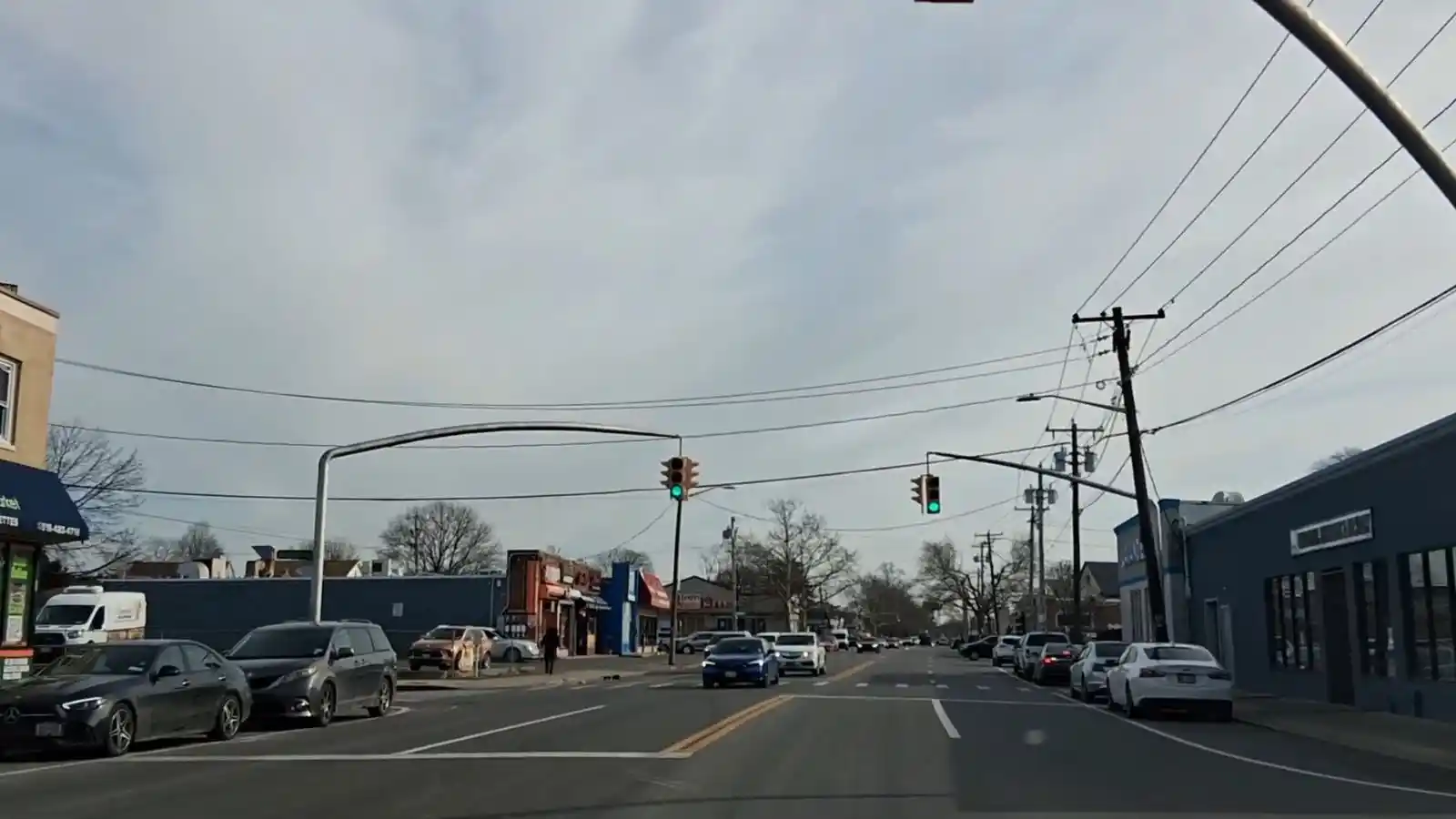
The Village of Westbury as it exists today wasn't formally incorporated until 1932. That year, residents voted to unify as a single village rather than split into separate northern and southern villages, a decision that shaped the boundaries you see on a map today.
One detail worth knowing if you're new to the area: the 1932 incorporation deliberately excluded neighboring New Cassel, largely over tax concerns at the time. New Cassel, along with Salisbury, remains a distinct unincorporated area today, even though both are commonly referred to using the Westbury name in everyday conversation and share much of the same postal zone.
Why This Distinction Matters
Understanding the difference between the incorporated Village of Westbury and its unincorporated neighbors matters for a few practical reasons: different areas can fall under different municipal service boundaries, and it helps avoid confusion when researching local history, permits, or service coverage. It's also worth noting that Old Westbury, despite the nearly identical name, is a completely separate and distinct incorporated village to the north, not the same municipality at all.
A Village Shaped By Older Decisions
Much of what defines Westbury's physical character today, its street layout, its housing stock, its underground infrastructure, dates back to this same early-to-mid 20th century period around and after incorporation. That's directly relevant to restoration work: village-era stormwater systems and plumbing installed in this window are now roughly a century old in some cases, and age-related failures in this infrastructure are the actual driver behind most water damage calls we handle here, not coastal flooding.
Why Incorporation Boundaries Still Matter Today
The decision to exclude New Cassel from the 1932 incorporation wasn't just a historical footnote, it created a lasting distinction that still shapes how municipal services and local governance work in the area today. Incorporated villages in New York State have their own local government, zoning authority, and often their own police and public works departments, separate from the surrounding town. Unincorporated areas like New Cassel and Salisbury instead fall under Town of North Hempstead governance directly, without the additional layer of village government. This isn't unusual for the region, Nassau County has one of the highest concentrations of incorporated villages of any county in the country, each with its own boundaries drawn through decisions like Westbury's 1932 vote.
For homeowners, this distinction occasionally matters in concrete ways: permit requirements, code enforcement, and even garbage collection can differ between an incorporated village and an adjacent unincorporated hamlet carrying the same common place name, even when the properties sit blocks apart.
How This Compares To Other Nassau County Villages
Westbury's incorporation story, a populated area voting to formalize village status while leaving out an adjacent unincorporated section, played out with variations across many other Nassau County communities during the same general era of the early-to-mid 20th century. This pattern of overlapping incorporated villages and unincorporated hamlets sharing common place names is part of what makes Nassau County's municipal map more complex than a typical suburban county elsewhere in the country, and it's worth understanding for anyone new to the area trying to figure out exactly which local government actually serves their specific address.
The Tax Concerns Behind The Boundary Decision
Village incorporation in New York generally comes with additional property tax obligations to fund village-level services and government, on top of town and county taxes. The historical record around Westbury's 1932 incorporation reflects concerns from New Cassel residents at the time about taking on this additional tax burden, concerns that ultimately shaped the boundary that still exists today. Nearly a century later, the same basic tradeoff, additional village services and local control versus additional village taxation, remains part of why incorporated and unincorporated areas within the same greater community can look and feel so similar while operating under genuinely different governance structures.
What This Looks Like On The Ground Today
Drive from the Village of Westbury into New Cassel today and there's often no obvious visual signal that you've crossed a municipal boundary at all, the housing stock, street grid, and general character can look continuous across what is, administratively, a meaningful governmental line. This is a common pattern throughout Nassau County's patchwork of incorporated villages and unincorporated hamlets, and it's part of why longtime residents sometimes need to think carefully before answering a simple-sounding question like which specific municipality they technically live in.
Whether you're in the Village of Westbury proper, New Cassel, or Salisbury, our restoration team covers the same area with the same 24/7 dispatch. Call Westbury Restoration Pros at (516) 283-1188.