
The Village Next To History: Westbury And Roosevelt Field
Charles Lindbergh's historic 1927 transatlantic takeoff happened right next door to Westbury. Here's the local history behind it.
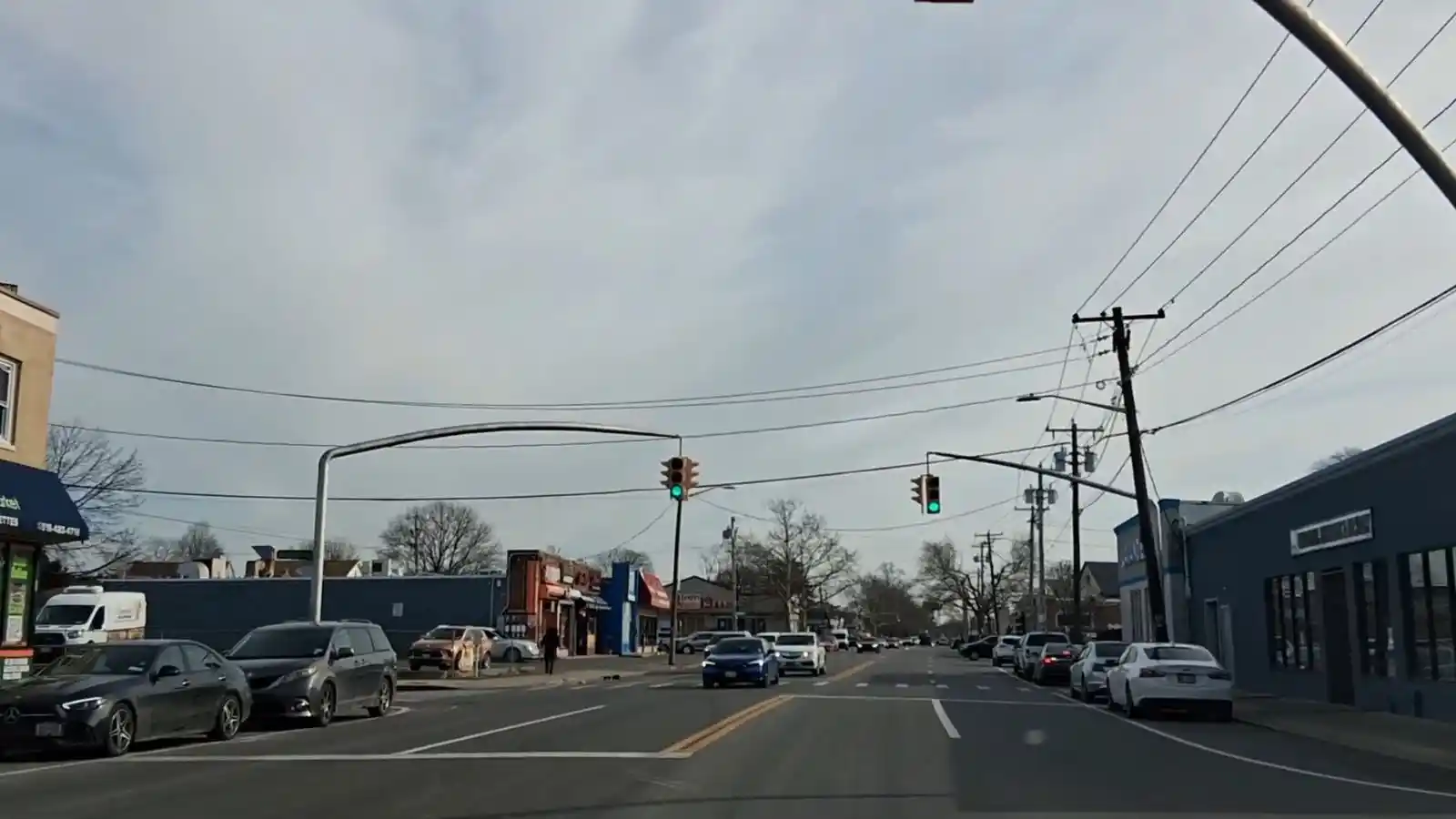
Westbury's most famous connection to American history sits just next door. In 1927, Charles Lindbergh took off from adjacent Roosevelt Field on his solo transatlantic flight to Paris, an event widely regarded as the single most notable moment tied to the greater Westbury area.
Roosevelt Field itself has a longer aviation history than just that one flight. It served as a major airfield through the early-to-mid 20th century before eventually becoming the site of the Roosevelt Field shopping mall that stands there today. For decades, the surrounding area was one of the busiest aviation hubs on the East Coast.
A Village Built On Older Foundations
This kind of history is a useful reminder of just how old this part of Nassau County actually is. The Village of Westbury wasn't incorporated until 1932, and the area was first settled by Quakers as far back as 1658. That age shows up in practical ways for homeowners today: older plumbing, older stormwater infrastructure, and housing stock built well before modern building and insulation codes.
We mention local history like this because it's genuinely relevant to how we approach restoration work here. A village with this much age to its housing stock has real, predictable patterns in how water damage, fire damage, and mold show up, patterns that differ from a newer suburban development built in the past few decades.
What This Means For Your Home
If your home in or near Westbury is older, pay attention to plumbing material (galvanized and early copper piping both have known failure patterns with age), attic and basement insulation quality, and drainage grading around your foundation. These are the areas where a home's age tends to show up first when something goes wrong.
Roosevelt Field's Longer Aviation Story
Lindbergh's flight is the single most famous event tied to Roosevelt Field, but the airfield's history extends well beyond that one morning in 1927. It operated as an active airfield for several more decades, serving both civilian and military aviation through the mid-20th century, before the land was gradually redeveloped for commercial use. The transition from airfield to shopping center mirrors a broader pattern across Long Island in this era, land that once supported the region's early aviation industry was repurposed as the area's population and commercial needs grew through the postwar decades.
For homeowners in the immediate area, this history is more than a curiosity, it's a marker of just how long this specific corridor of Nassau County has been developed. Infrastructure installed to support a mid-century commercial and residential build-out is now well past its originally intended service life in many cases, which lines up closely with the plumbing and drainage patterns we see on restoration calls in the surrounding neighborhoods.
Quaker Settlement And The Long Arc Of Local History
The area's history goes back further than its 20th-century aviation chapter. Quakers first settled in what would become Westbury in 1658, making this one of the older continuously settled areas on Long Island. That depth of history is part of what gives the village its distinct character today, a mix of colonial-era place names, early-20th-century aviation and racing history, and postwar residential development, all layered on top of each other within a relatively small geographic footprint.
Why Aviation History And Home Construction Eras Overlap
The period when Roosevelt Field was at its busiest as an aviation hub, roughly the 1920s through the 1940s, overlaps closely with when much of Westbury's surrounding residential development took shape. This isn't a coincidence, active regional economic activity of this kind, aviation manufacturing, military use during wartime, and the civilian air travel industry that followed, drove population growth and housing demand in the surrounding area during exactly this window. Homes built during this specific era share certain construction characteristics, plumbing materials, framing techniques, insulation standards, that differ meaningfully from both older colonial-era construction and later postwar suburban development, which is part of why dating a home's approximate construction period helps us anticipate what kind of age-related issues are most likely.
What Longtime Residents Remember
For residents who've lived in the area for decades, Roosevelt Field's transformation from working airfield to major shopping destination is a lived memory rather than distant history, a reminder of how quickly land use can change even within a single lifetime. This kind of firsthand community memory is part of what gives a place like Westbury its specific character, distinct from a newer development with no equivalent layered history to draw on.
If you're dealing with water, fire, or mold damage in an older Westbury home, our team understands the specific challenges that come with this kind of housing stock. Call Westbury Restoration Pros at (516) 283-1188 for a documented assessment.