
What Is A Puffback? A Common Long Island Furnace Problem
A malfunctioning oil furnace can coat an entire home in soot without a single flame leaving the furnace room.
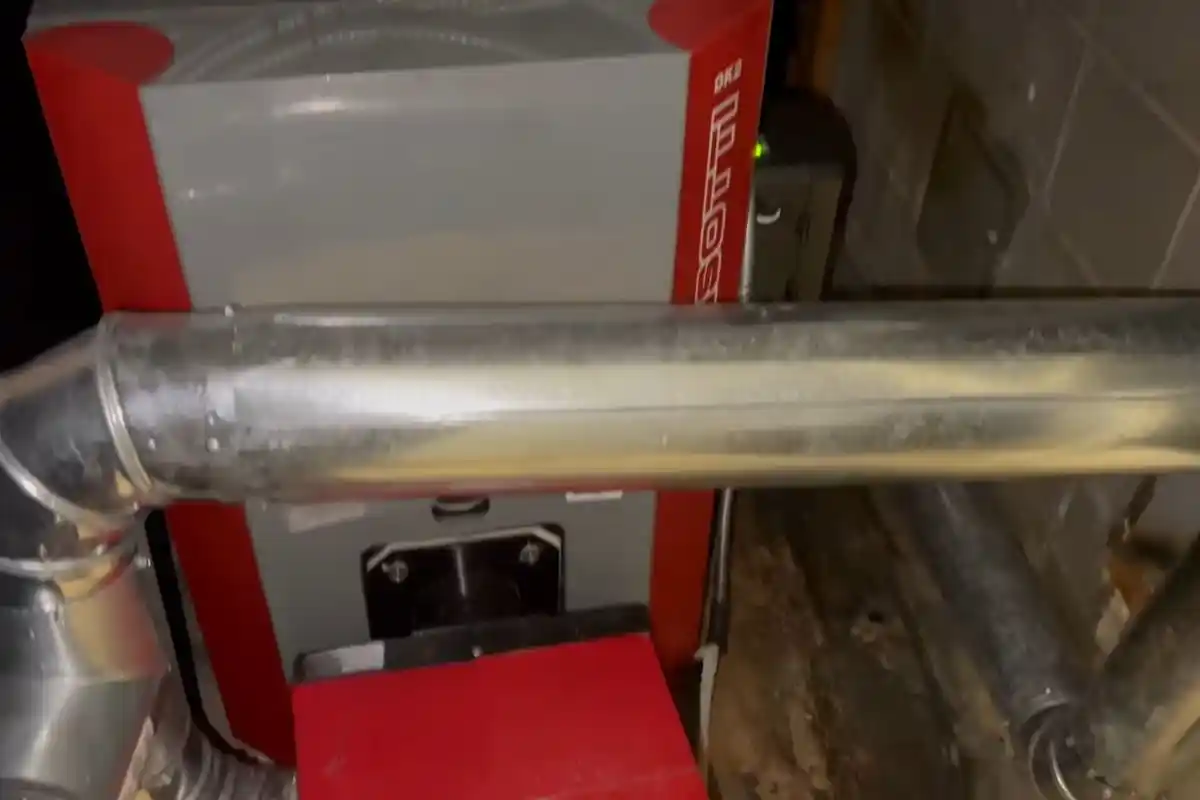
If you've never heard the term "puffback" before, you're not alone, but if you own an older home in the Westbury area with oil heat, it's worth understanding this specific and surprisingly common problem.
What Actually Happens
A puffback occurs when an oil-fired furnace or boiler malfunctions and backfires, forcing a fine, oily black soot through the ductwork and into every room the HVAC system reaches. This can happen without any open flame ever leaving the furnace room, the soot travels purely through the forced-air distribution system.
The result is a greasy, oily film coating walls, ceilings, furniture, and belongings throughout the house, often within seconds. Homeowners frequently describe coming home to find every room coated in a dark residue with no visible fire damage anywhere.
Why This Is Common In This Area
Many older Westbury homes still run oil heat rather than natural gas, which is part of why this is one of our more frequent fire-adjacent calls rather than a rare edge case. Oil furnaces that aren't regularly serviced are more prone to the ignition or combustion malfunctions that cause a puffback.
The Mechanics Of An Oil Furnace Malfunction
An oil furnace ignites a fine mist of fuel oil in a combustion chamber, and that ignition depends on precise timing and a clean fuel spray pattern. When a nozzle clogs, an electrode misfires, or accumulated soot in the combustion chamber ignites unevenly, the result can be a small explosion inside the sealed chamber rather than a smooth, controlled burn. That explosion forces built-up soot back through the return air path and into the supply ductwork instead of up the flue where it belongs, distributing it through every room the ductwork serves in a matter of seconds. The furnace itself typically shuts down safely after this happens, which is part of why homeowners often find a cold house and soot-covered rooms rather than any ongoing fire risk.
How Homeowners Insurance Typically Treats A Puffback
Puffback damage is generally covered under standard homeowners policies as a sudden and accidental event, similar to how a burst pipe is typically treated, since the malfunction happens without warning and isn't the result of ongoing neglect in most cases. That said, if a furnace hasn't been serviced in many years and an insurer determines the malfunction stemmed from a maintenance issue the homeowner should reasonably have addressed, coverage discussions can get more complicated. Keeping furnace service records is useful documentation to have on hand if you ever need to file a puffback claim, since it demonstrates reasonable maintenance regardless of what ultimately caused the specific malfunction.
How Puffback Soot Differs From Fire Soot
Soot from a puffback tends to be finer and oilier than soot from an open flame fire, since it's essentially aerosolized unburned or partially combusted fuel oil distributed as a fine mist rather than the drier combustion byproducts of burning wood, paper, or fabric. This oily quality makes it spread further and adhere more tightly to surfaces than typical fire soot, and it's part of why puffback cleanup requires different cleaning agents than a standard fire damage job even though both fall under the broader fire and smoke damage category.
Why Duct Cleaning Isn't Optional
The ductwork itself needs to be cleaned in addition to walls, ceilings, and belongings, since residue left inside the ducts will simply redeposit on cleaned surfaces the next time the system runs. A cleanup that skips this step often looks successful for a few days before a fine film reappears on furniture and surfaces as the HVAC system continues circulating trapped residue with every heating cycle.
What A Homeowner Can (And Can't) Safely Clean Themselves
Hard, non-porous surfaces with light residue, glass, sealed countertops, tile, can sometimes be wiped clean with appropriate cleaning products by a homeowner willing to do the work. Anything involving fabric, upholstery, or porous materials is much harder to address effectively without professional equipment, and attempting it yourself risks setting the oily residue more permanently rather than removing it. The ductwork itself should never be attempted as a DIY project, professional duct cleaning uses specialized equipment and access techniques that household tools simply can't replicate.
Filing An Insurance Claim For Puffback Damage
Because puffback damage is often extensive but not always visually dramatic in the way an open-flame fire is, documenting the full extent, every affected room, not just the most visibly soot-covered ones, matters for getting a fair claim assessment. Photos taken in normal lighting sometimes understate how much residue is actually present compared to what becomes visible once cleaning begins, so a thorough initial walkthrough with a restoration professional before any cleaning starts gives the most accurate documentation for your claim.
Prevention
Regular furnace servicing, ideally annually before heating season, is the most effective way to catch the kind of malfunction that leads to a puffback before it happens. A technician checks nozzle condition, ignition components, and combustion chamber cleanliness, the same components whose failure typically causes a puffback in the first place, catching wear before it progresses to a full malfunction.
If you've experienced a puffback, our puffback cleanup team handles both the surface soot and the required duct cleaning as one coordinated job. Call (516) 283-1188.