
Why Pipes Burst In Winter: The Freeze-Thaw Cycle Explained
Winter freeze-thaw cycles are the genuinely dominant cause of water damage in Westbury. Here's the mechanics of why it happens.
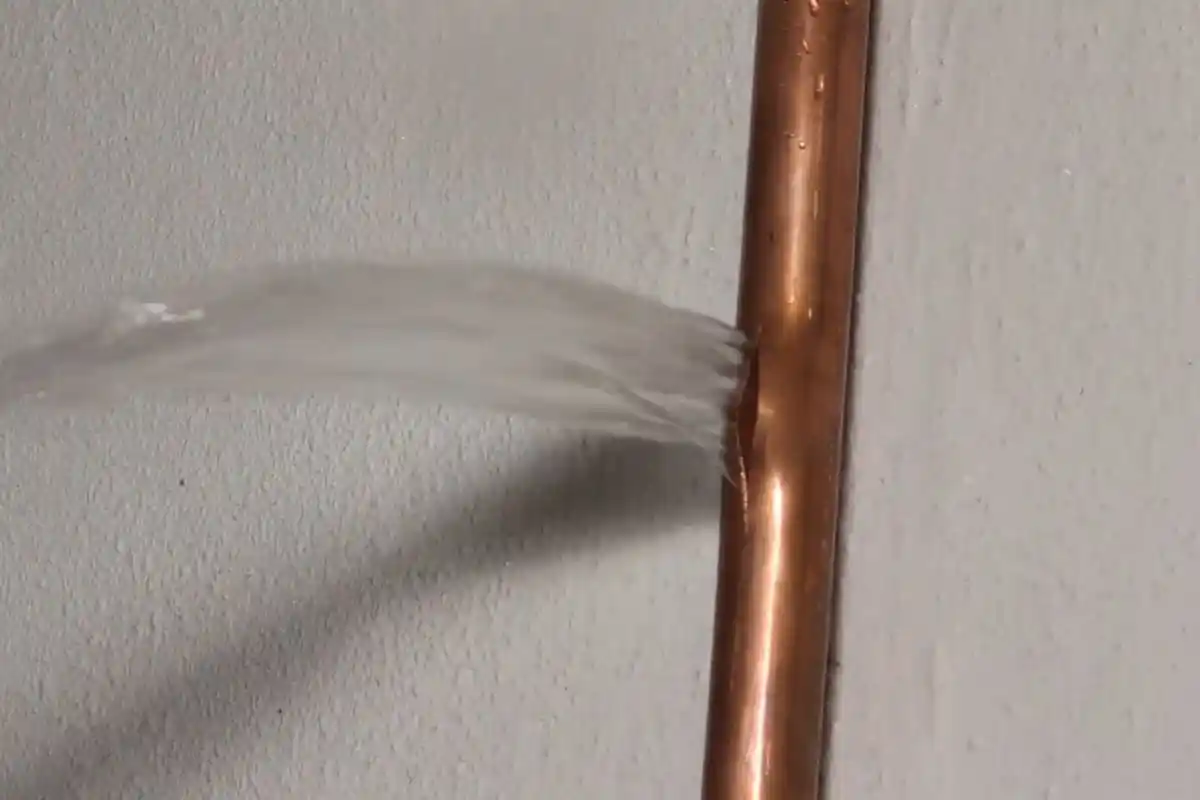
Snow storms are rated as a genuinely high risk factor for Westbury, and the practical, everyday version of that risk is burst pipes. Understanding the actual mechanics of why this happens can help you spot the warning signs before a pipe fails.
The Freeze-Thaw Cycle
Water expands as it freezes, roughly 9 percent in volume. When water inside a pipe freezes, that expansion puts pressure on the pipe walls. A single hard freeze alone doesn't always cause a break, it's the freeze-thaw cycle, a hard freeze followed by a relatively quick thaw, that does the most damage, since the repeated expansion and contraction stresses the pipe material each time.
Copper supply lines running through uninsulated crawl spaces, exterior walls, and unheated basement corners are the most vulnerable, since these locations don't benefit from the ambient heat of an occupied living space. Older homes, common throughout Westbury's pre-war housing stock, often have exactly this kind of exposed plumbing routing that wasn't a concern when insulation standards were less strict.
Why It Usually Happens Overnight
Temperature swings between day and night are often sharpest overnight and into early morning, which is exactly when a freeze-thaw cycle is most likely to crack a pipe. This is part of why so many burst-pipe calls come in first thing in the morning, homeowners wake up to standing water they didn't cause and, at first, can't trace.
How To Reduce Your Risk
A few practical steps lower your risk meaningfully: insulate exposed pipes in crawl spaces, attics, and exterior walls before winter; keep a trickle of water running from faucets on the coldest nights to relieve pressure buildup; and know the location of your main water shutoff valve so you can act fast if a pipe does fail.
Why A Trickle Of Water Actually Helps
Running water is harder to freeze than standing water, both because motion resists ice formation and because a trickle relieves the pressure buildup that happens inside a fully closed pipe as ice begins to form. This isn't about keeping the whole pipe from ever reaching freezing temperature, it's about preventing the specific pressure spike that cracks pipe walls when ice expands against water trapped on both sides of a blockage. A trickle from the faucet farthest from your main shutoff, on the most exposed run of pipe, gives water somewhere to go rather than building pressure against a dead end.
Materials Matter: Copper, PEX, And Galvanized Behave Differently
Not all plumbing materials handle a freeze the same way. Copper, still common in Westbury's mid-century housing stock, is rigid and prone to splitting under the pressure of expanding ice, exactly the failure mode behind most burst-pipe calls we see. PEX tubing, more common in newer installations and repairs, has some flexibility that lets it expand slightly without failing in many freeze events, though it isn't immune to failure at fittings and connections. Older galvanized steel piping, found in some of the oldest Westbury homes, tends to fail differently, through gradual corrosion and pinhole leaks rather than a sudden freeze-related split, though a severe freeze can still crack a galvanized line weakened by existing corrosion.
The Cost Of Waiting Versus The Cost Of Prevention
Pipe insulation sleeves cost a few dollars per linear foot and take an afternoon to install on the most exposed sections of plumbing. A burst pipe and the resulting water damage cleanup, by contrast, frequently runs into the thousands of dollars once extraction, drying, and any necessary drywall or flooring repair are factored in. This isn't a close call financially, but the upfront prevention work is easy to postpone precisely because nothing bad happens until the specific cold night that catches an uninsulated pipe at just the wrong moment.
Where To Actually Look In Your Own Home
Rather than insulating every pipe in the house, focus first on the specific locations most exposed to unheated air: any plumbing running through a crawl space, pipes along an exterior wall (especially on the north-facing side of the house, which gets the least sun exposure), and any exposed section in an unheated garage or basement corner. A flashlight check of these specific areas before the first hard freeze of the season is a more efficient use of time than trying to insulate an entire home's plumbing system indiscriminately.
What A Frozen (But Not Yet Burst) Pipe Looks Like
Catching a freeze before it becomes a burst is possible if you know the signs: no water or only a trickle from a specific faucet when others in the house work normally, frost visible on an exposed section of pipe, or unusual noises like banging or whistling in the plumbing when a faucet is opened. If you notice any of these signs, gently applying heat, a hair dryer on low, warm towels, to the suspected frozen section, while keeping the affected faucet open, can sometimes thaw the pipe before pressure builds enough to cause a split. Never use an open flame for this, and if you can't quickly identify or reach the frozen section, it's safer to shut off the main water supply and call for help than to keep searching while pressure continues building.
If you're dealing with a burst pipe right now, our burst pipe repair team is available 24/7. Call (516) 283-1188 for fast dispatch.