
Winter Prep: Protecting Your Westbury Home From Frozen Pipes
A few simple steps before the first hard freeze can meaningfully reduce your risk of a burst pipe this winter.
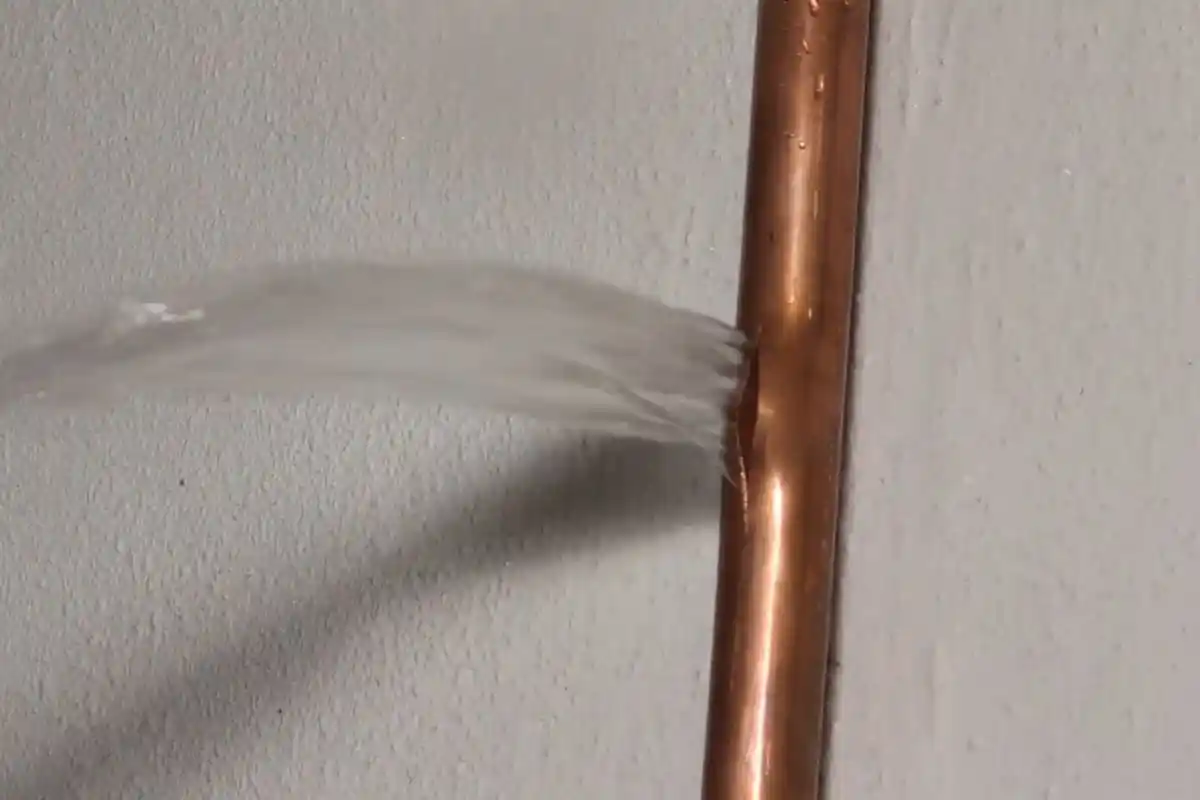
Given that winter freeze-thaw cycles are the genuinely dominant driver of water damage in Westbury, a little preparation before the cold sets in goes a long way toward avoiding a burst-pipe emergency.
Insulate Exposed Pipes
Pipes running through unheated spaces, crawl spaces, attics, exterior walls, and unheated basement corners, are the most vulnerable to freezing. Foam pipe insulation sleeves are inexpensive and take an afternoon to install on the most exposed sections.
Seal Gaps That Let Cold Air In
Gaps around foundation vents, dryer vents, and utility penetrations can let cold air reach pipes that would otherwise stay above freezing from ambient heat. Sealing these gaps with caulk or foam is a cheap fix that protects more than just your plumbing.
Don't Overlook Outdoor Fixtures
Exterior hose bibs and irrigation lines are among the most commonly overlooked freeze risks, since they're easy to forget about once the growing season ends. Disconnect and drain garden hoses, shut off any interior valve feeding an exterior hose bib if your home has one, and drain irrigation systems fully before the first hard freeze. An exterior spigot that freezes and cracks can send water back into the wall cavity where the pipe enters the house, causing interior damage that isn't discovered until the spring thaw reveals a slow, hidden leak that's been running for months.
Know Your Main Shutoff
If a pipe does burst, the speed of your response matters more than almost anything else. Know exactly where your main water shutoff valve is located before an emergency, not while you're standing in an inch of water trying to remember.
During A Hard Freeze
On nights with a forecast hard freeze, letting a faucet run a small trickle from fixtures on exposed plumbing runs relieves pressure buildup inside the pipe. Opening cabinet doors under sinks on exterior walls also lets warmer room air reach the plumbing underneath.
If You're Traveling
Never turn your heat off completely while away during winter. Keep it set to at least 55 degrees, and consider shutting off your main water supply and draining the system if you'll be away for an extended period during peak freeze season.
Why 55 Degrees Specifically?
The 55-degree recommendation isn't arbitrary, it reflects the temperature at which interior wall cavities, which run several degrees cooler than open room air due to reduced air circulation, are likely to stay safely above freezing even during a cold snap outside. Setting a thermostat lower to save on heating costs while away can put interior wall temperatures right at the margin where a sustained cold outdoor temperature is enough to bring an exposed pipe section down to freezing despite the heat technically still running.
What Draining Your System Actually Involves
For extended absences during peak winter, draining the plumbing system means shutting off the main water supply, then opening every faucet in the house (starting with the highest point and working down) to let gravity clear water from the pipes, and flushing toilets to clear their tanks. This is a more involved process than simply turning down the thermostat, but it eliminates freeze risk entirely rather than just reducing it, since pipes with no water in them can't burst from freezing regardless of how cold the house gets while you're away.
Smart Water Shutoff Devices: Worth Considering
For homeowners who travel frequently or own a second property, a smart water shutoff valve, installed at the main line and connected to a leak-detection sensor, can automatically shut off water supply the moment it detects an active leak, whether from a burst pipe or any other source. This doesn't replace the insulation and prevention steps above, but it meaningfully limits the damage from a leak that does occur while no one is home to notice it, turning what could be days of undetected water damage into a shutoff within minutes of the leak starting.
A Simple Pre-Winter Checklist
Before the first hard freeze of the season, a short walkthrough covers most of the prevention steps discussed here: locate and test your main water shutoff valve, insulate any exposed pipe sections in crawl spaces, attics, and exterior walls, disconnect and drain outdoor hoses and irrigation lines, confirm your furnace or boiler is serviced and functioning properly (both for warmth and to prevent the specific malfunctions that lead to a puffback), and, if you have one, test that your sump pump activates properly. None of these individually take long, but together they meaningfully reduce your overall winter water damage risk heading into the coldest months.
What To Do If You Return To A Frozen Or Already-Burst Pipe
If you come home from travel to find a pipe has already burst, shut off the main water supply immediately if you haven't already, and call for professional water extraction and drying as soon as possible, since water damage from an unattended burst pipe during an absence often has more time to spread and penetrate materials than a burst pipe caught the same day it happens. Document the damage with photos before beginning any cleanup, both for your own insurance claim and to help a restoration crew understand the full scope before they arrive.
Even with the best prep, pipes still fail sometimes. If yours does, our burst pipe repair team responds 24/7. Call (516) 283-1188.