
Smoke Damage Restoration In Westbury, NY
Smoke damage restoration addresses residue and odor that spreads well beyond the visible fire area, carried through HVAC ductwork and settling on surfaces throughout a property within minutes of a fire starting.
Need A Crew Dispatched?
Someone is available to take your call any hour, any day of the year.
☎ Call (516) 283-1188Smoke travels faster and further than most homeowners expect. A fire contained to one room can leave residue in every room served by the same forced-air system, since smoke particles ride the airflow through supply and return ducts. We inspect and, where needed, clean the HVAC system itself as part of a smoke damage job, not just the visibly affected room, since skipping ductwork cleaning is one of the most common reasons odor returns after a surface cleaning.
The type of residue matters for cleaning method. Dry soot from paper or wood wipes away with a dry sponge technique. Wet, oily soot from synthetics or a smoldering fire is acidic and requires a different chemical approach entirely, using the wrong method can smear oily soot deeper into a surface instead of lifting it.
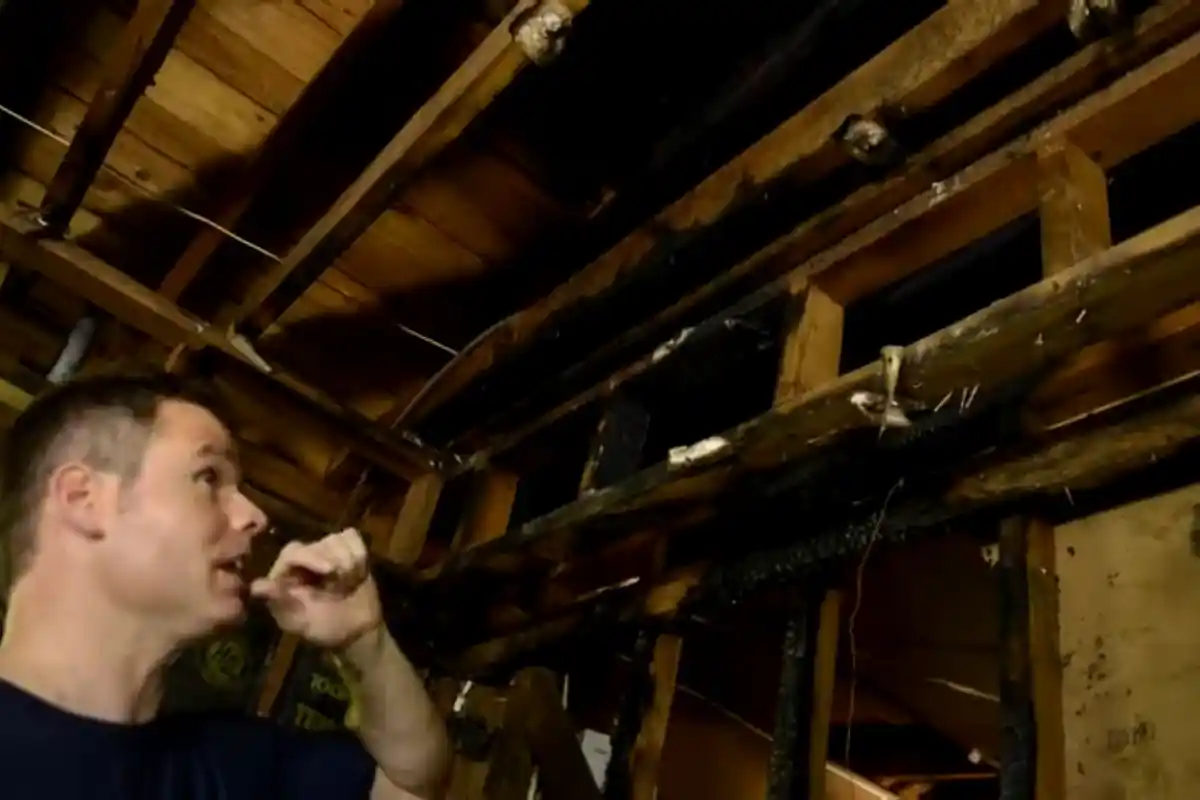
A fire that starts in a kitchen and stays technically contained there can still leave residue in bedrooms on the opposite side of the house if the HVAC system was running during the fire, since the system doesn't know to stop circulating air just because smoke has entered the intake.
What To Expect On Cost
HVAC cleaning, when needed, is one of the more overlooked cost drivers, skipping it to save money upfront is the most common reason smoke odor complaints resurface weeks later.
Signs Smoke Damage Restoration Is What You Need
- !A smoky smell in rooms the fire never reached
- !Visible soot film on surfaces throughout the property
- !Discolored walls or ceilings near HVAC vents
- !Lingering odor in fabric, carpet, or upholstery after a fire
How We Help With Your Claim
Smoke damage claims benefit from documenting which rooms show residue, since carriers sometimes push back on treating rooms without visible fire damage until ductwork spread is explained.
Why Porous And Non-Porous Surfaces Get Treated Differently
Non-porous surfaces, glass, sealed tile, metal fixtures, hold smoke residue on the surface where it can be fully removed with the right cleaning method. Porous surfaces, unsealed wood, fabric, drywall, absorb smoke particles below the surface, which is why cleaning a porous surface often reduces but doesn't fully eliminate residue and odor the way cleaning a non-porous surface does. This distinction drives real decisions about clean-versus-replace on borderline items.
An unsealed wood surface with moderate smoke exposure, for example, sometimes needs sealing after cleaning specifically to lock in whatever residue remains below what surface cleaning alone can reach, rather than assuming cleaning by itself fully resolves porous-material contamination.
We make this call visit-by-visit rather than by a fixed rule, a wood surface with light exposure and no visible discoloration might only need cleaning, while the same surface with heavier or longer exposure gets the sealing step added, based on what the inspection actually shows rather than a standard assumption applied to every job.
How This Job Actually Goes
Assess Residue Type
Dry versus oily soot determines which cleaning method gets used.
Inspect The HVAC System
Ductwork is checked since smoke travels through it into rooms the fire never reached.
Clean By Surface Type
Hard surfaces, fabric, and porous materials each get a different cleaning approach.
Treat Remaining Odor
Any lingering smell is addressed as its own step, not assumed to clear with surface cleaning.
Other Services You May Need
Smoke Damage Restoration FAQ
Does smoke damage really spread beyond the room that burned?
Yes, smoke particles travel through HVAC ductwork and settle in rooms the fire never reached, which is why we assess the whole property, not just the visible fire area.
Do you clean the HVAC system as part of smoke damage restoration?
Yes, ductwork cleaning is typically part of the scope since skipping it is one of the most common reasons odor returns after surface cleaning.
Will smoke damage restoration remove the smell from my clothes and furniture?
Fabric items typically need a separate off-site cleaning process, ultrasonic or ozone treatment, since embedded odor in fabric responds differently than hard surfaces.
How soon after a fire should smoke damage restoration start?
As soon as the fire department clears the property, delaying allows acidic soot residue to etch surfaces further and odor to set deeper into porous materials.
Need Smoke Damage Restoration In Westbury?
Call now, a restoration crew can be dispatched to your address.
☎ Call (516) 283-1188