
Flood Damage Restoration In Westbury, NY
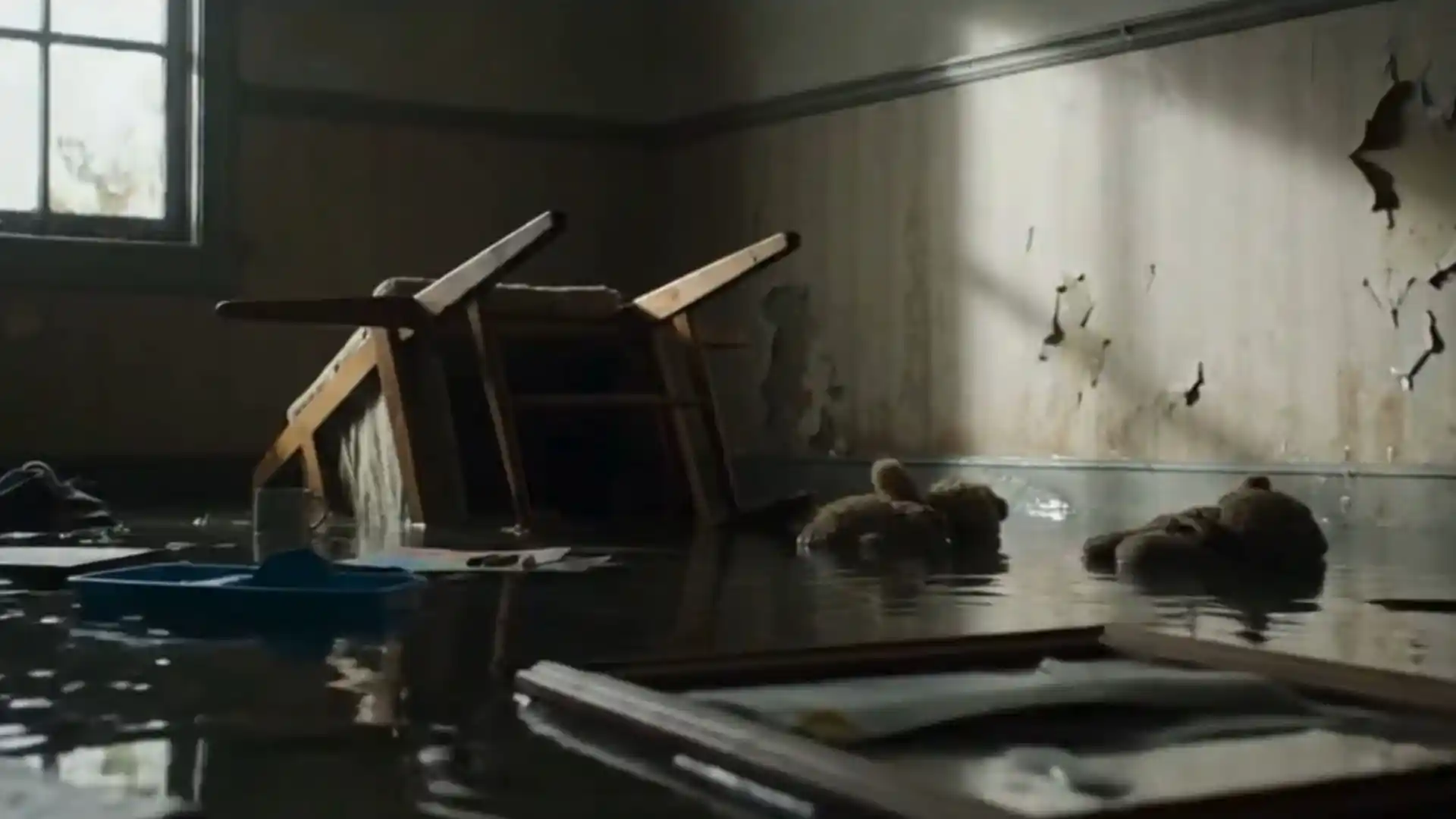
Flood damage restoration covers the full recovery process after a property takes on significant standing water, whether from heavy rain overwhelming stormwater drainage, a major appliance failure, or a burst supply line that ran unnoticed for hours. The scope typically spans extraction, structural drying, and repair of any material that couldn't be salvaged.
Need This Service Now?
Dispatch is answered 24 hours a day, every day of the year.
☎ Call (516) 283-1188In Westbury, the more common flood scenario isn't a river or coastal event, it's a heavy rain event that outpaces the drainage capacity of older village infrastructure, pushing water back through basement floor drains or window wells. We assess the entry point first, since stopping active intrusion matters more than extraction volume in the first several minutes on scene.
Once the water source is controlled, extraction begins with truck-mounted or portable pumps depending on volume, followed by moisture mapping across walls and flooring to identify how far the water traveled beyond what's visibly wet. Baseboards, drywall, and flooring that stayed saturated for more than a day typically need to come out rather than just dry in place.
A flood event that reaches the same room twice in a short window, once from an appliance failure and again from a storm a few weeks later, is a pattern worth flagging to your adjuster directly, since carriers sometimes treat repeat losses differently for coverage purposes even when the causes are unrelated.
Why Floors And Walls Dry At Different Rates
Flooring and wall framing absorb and release moisture at very different speeds, which is why a floor can test dry while the wall behind the baseboard is still saturated. Hardwood and engineered flooring wick moisture along the grain, sometimes carrying it several feet beyond the visibly wet area, while drywall absorbs moisture more locally but releases it more slowly once saturated. This mismatch is why we check both independently with a moisture meter rather than assuming one material's dryness tells us anything reliable about the other.
The practical result is that a flood job frequently needs two different drying timelines running in parallel, flooring might be ready for refinishing in two days while the wall cavity behind it needs another three or four days of continued dehumidification before framing moisture content returns to a safe range for rebuilding.
In Westbury specifically, this two-track drying reality shows up most often in homes with hardwood flooring over an unfinished basement ceiling, since the joist bay directly below a flooded room can trap moisture for days after the visible floor surface reads dry, making a follow-up moisture check from below just as important as the initial reading from above.
Signs You Need Flood Damage Restoration
- !Standing water covering more than a small area of flooring
- !Water stains climbing more than a few inches up drywall
- !A musty smell developing within the first day after the water event
- !Warped or buckling flooring near the affected area
From First Call To Restored
Trace The Entry Point
We find where water is actually coming in before anything else, a floor drain backup, a window well, or a failed appliance line.
Extract By Volume
Truck-mounted pumps for large-volume flooding, portable extractors for a contained room.
Map The Moisture
A moisture meter check across walls and flooring shows how far water traveled beyond what's visibly wet.
Decide What Stays
Baseboards, drywall, and flooring saturated more than a day get pulled; everything else dries in place.
Typical Cost Range
The biggest cost driver on a flood job is almost always square footage of affected material, not the extraction itself, a flood that reached finished walls and flooring costs more to restore than one contained to a bare concrete floor.
You May Also Need
Direct Insurance Coordination
Flood claims benefit from early, thorough photos of the water line height on walls, since that single detail often determines how much drywall an adjuster approves for removal versus drying in place.
Flood Damage Restoration FAQ
How is flood damage restoration different from a normal water cleanup?
Flood damage typically involves a larger affected area and often a less predictable water source than a single pipe leak, so the assessment focuses on tracing how far water traveled before extraction and drying begins.
Will my flooring need to be replaced?
It depends on the material and how long it stayed wet. Solid materials that dried within 24 to 48 hours often survive; carpet padding and engineered wood that stayed saturated longer usually need replacement.
Do you handle the debris and disposal after a flood, or just the drying?
Both. Disposal of unsalvageable material is part of the same scope as extraction and drying, not a separate line item you need to arrange yourself.
What if the flood affected more than one floor?
We assess each level separately since water traveling downward through a ceiling behaves differently than water rising from a floor drain, but both get scoped as one coordinated job.
Need Flood Damage Restoration In Westbury?
Call now, a restoration crew can be dispatched to your address.
☎ Call (516) 283-1188